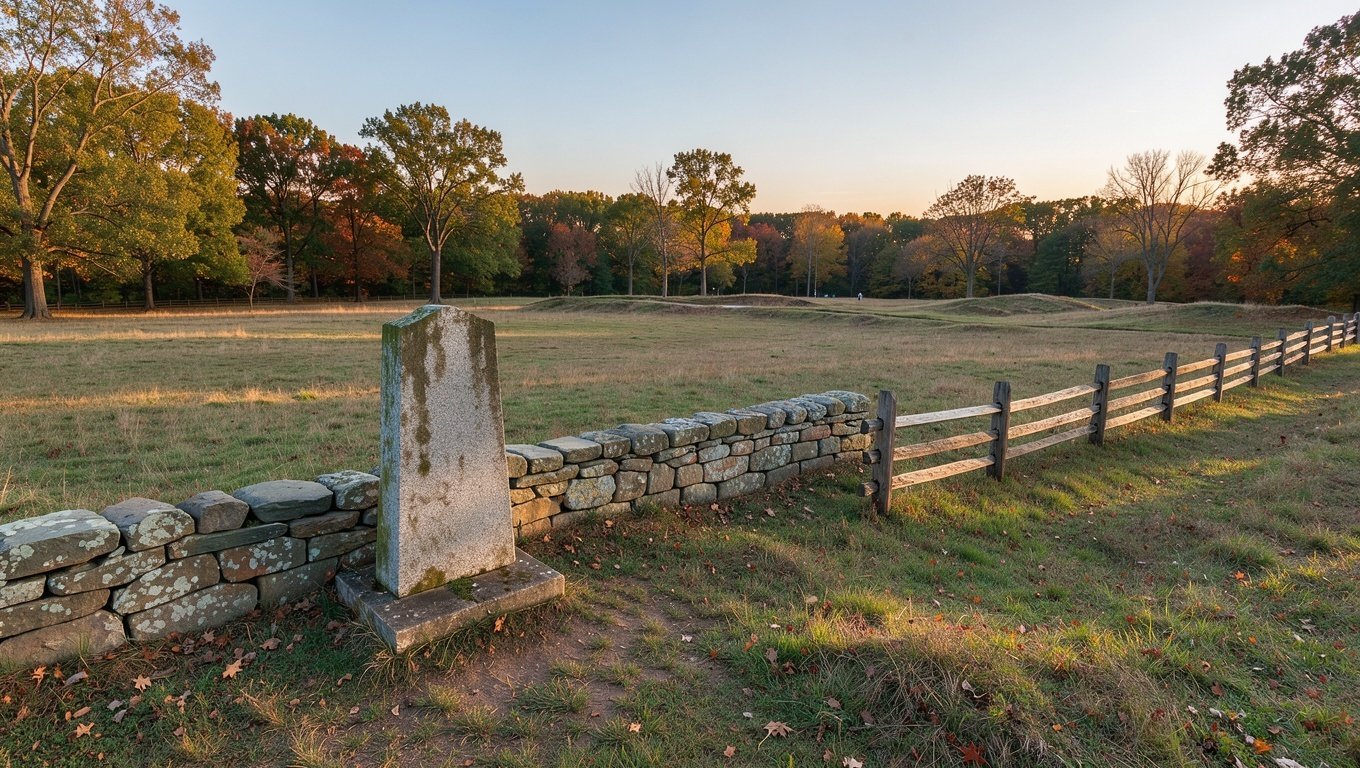
Open meadow with a low stone wall and granite monument at a New Jersey Revolutionary War battlefield park at golden hour

Region 04 · The quiet middle

Central Jersey: battlefields, farmland and a very famous campus

The state's most underrated region, holding more than 600 Revolutionary War sites, one of America's prettiest universities, and working farmland between the two big cities.

Central Jersey is the part of the state that gets left out of conversations — and the one with the most history per square mile. Trenton, Princeton and Monmouth all sit in the corridor where the American Revolution turned.

It is also where the state's two flagship universities anchor their towns, and where Route 206 still runs past farm stands selling tomatoes in August that justify the state's most famous agricultural claim.

The headline

Princeton — the campus and the town

Princeton University's main campus is one of the great pieces of American collegiate Gothic architecture, built largely between 1895 and 1930 in grey New Jersey bluestone and Princeton brownstone. The Blair Arch, the Nassau Hall front (built 1756, briefly the capital of the United States) and the tower of East Pyne are the buildings everyone photographs.

The campus is open to walk, free, every day. The Princeton University Art Museum holds around 100,000 works and admission is free — it is one of the best small museums in the country and almost nobody plans for it.

Then there is the town itself: Nassau Street for bookshops and coffee, the Bainbridge House and Morven Museum for history, and the former site of the Institute for Advanced Study connection to Einstein just outside the town centre.
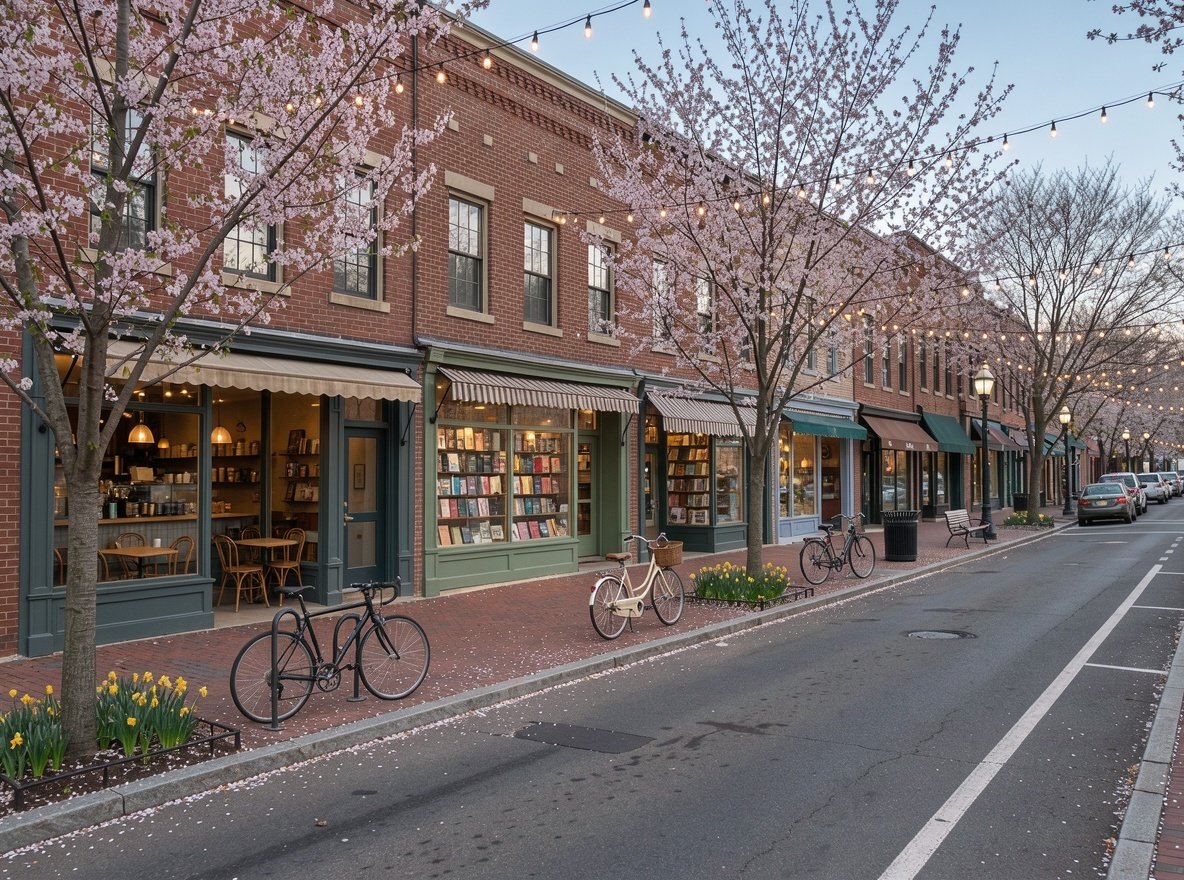
Brick college-town main street with string lights between buildings, bicycles and blossom trees in the evening
Nassau Street and the surrounding blocks repay an unhurried evening.

Princeton visit notes

Parking in the town centre is metered and enforced until 8pm on weekdays; the university's own visitor lots are cheaper and a ten-minute walk from the quads. Student-led campus tours run most weekdays and several weekends during term, and need booking in advance during autumn. Spring and late October are the best photographic windows.

Revolutionary War sites within 30 minutes of each other

More battles and skirmishes were fought in New Jersey than in any other state. Three sites in and around Trenton tell the central story of the 1776–77 campaign, and they can be visited in a single day.

  • Princeton Battlefield State ParkWhere Washington broke the British line in January 1777. The Clark House stands on the field; the open meadow with its stone wall is intact and free to walk.
  • Washington Crossing State ParkThe embarkation point for the Delaware crossing on 25 December 1776. The visitor centre holds the famous painting and artefacts; the river view gives the geography immediately.
  • Old Barracks Museum, TrentonThe last surviving British barracks in the United States, built 1758. Small, well-interpreted, and open most days.
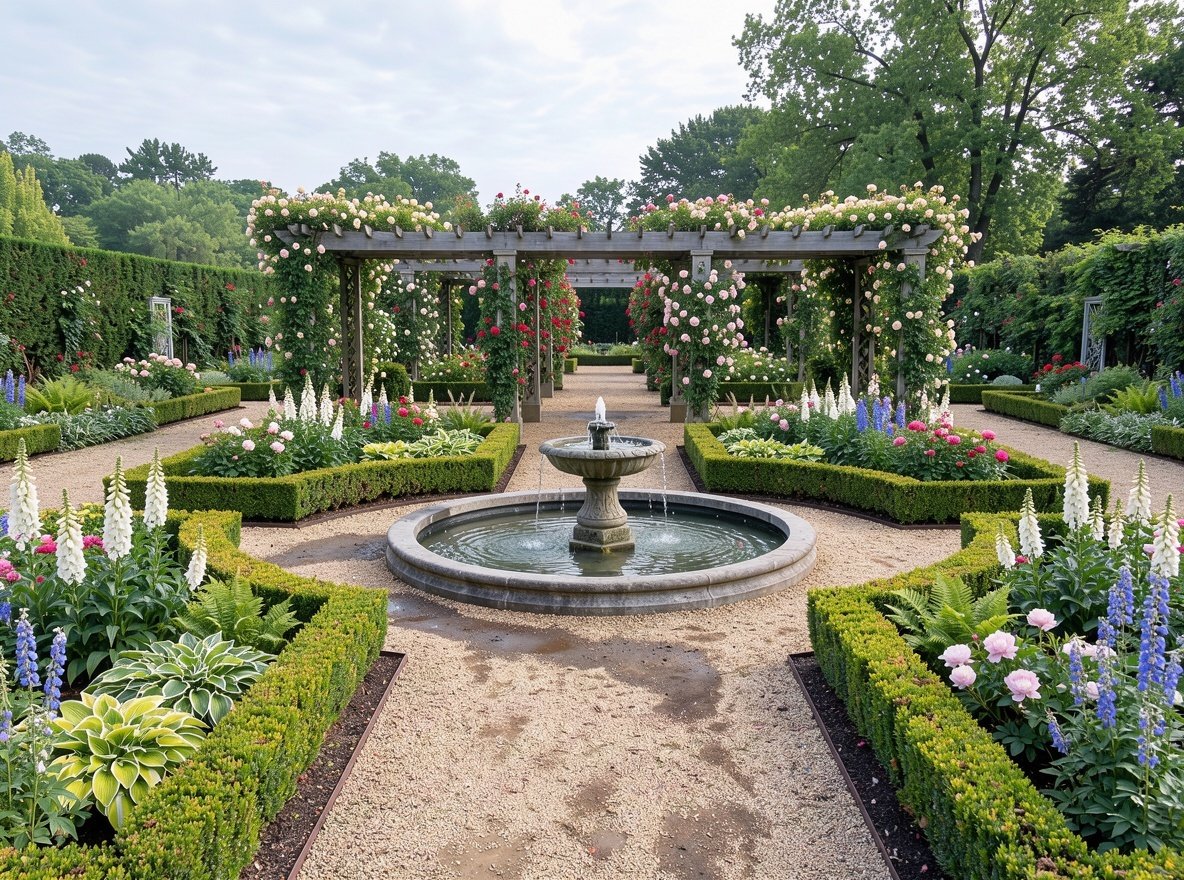
  • Morven Museum & GardenA house that served as the governor's residence and is connected to six generations of American history. Excellent garden.

Timing: the battlefield parks are free and open daily, dawn to dusk. House museums typically open Wednesday to Sunday, roughly 10am–4pm, with modest admission ($5–$15). Check before driving; several run on seasonal schedules.

Rutgers and New Brunswick

Rutgers University's New Brunswick campus sits across the Raritan River from a small city that has rebuilt its centre around food, theatre and student life. The university is the birthplace of college football — the first intercollegiate game was played here against Princeton in 1869 — and Big Ten athletics now anchor the campus calendar.

For visitors: Rutgers Gardens in New Brunswick's North Brunswick section is free, 180 acres, and genuinely beautiful in late spring. Old Queen's is a fine piece of 1809 collegiate architecture. The Zimmerli Art Museum holds a strong collection of Russian and Soviet nonconformist art, free to enter.

The New Brunswick town centre around George Street has a dense restaurant and theatre cluster, including a restored 1920s vaudeville house. See the universities guide for campus-visit logistics.

Farmland and farm stands

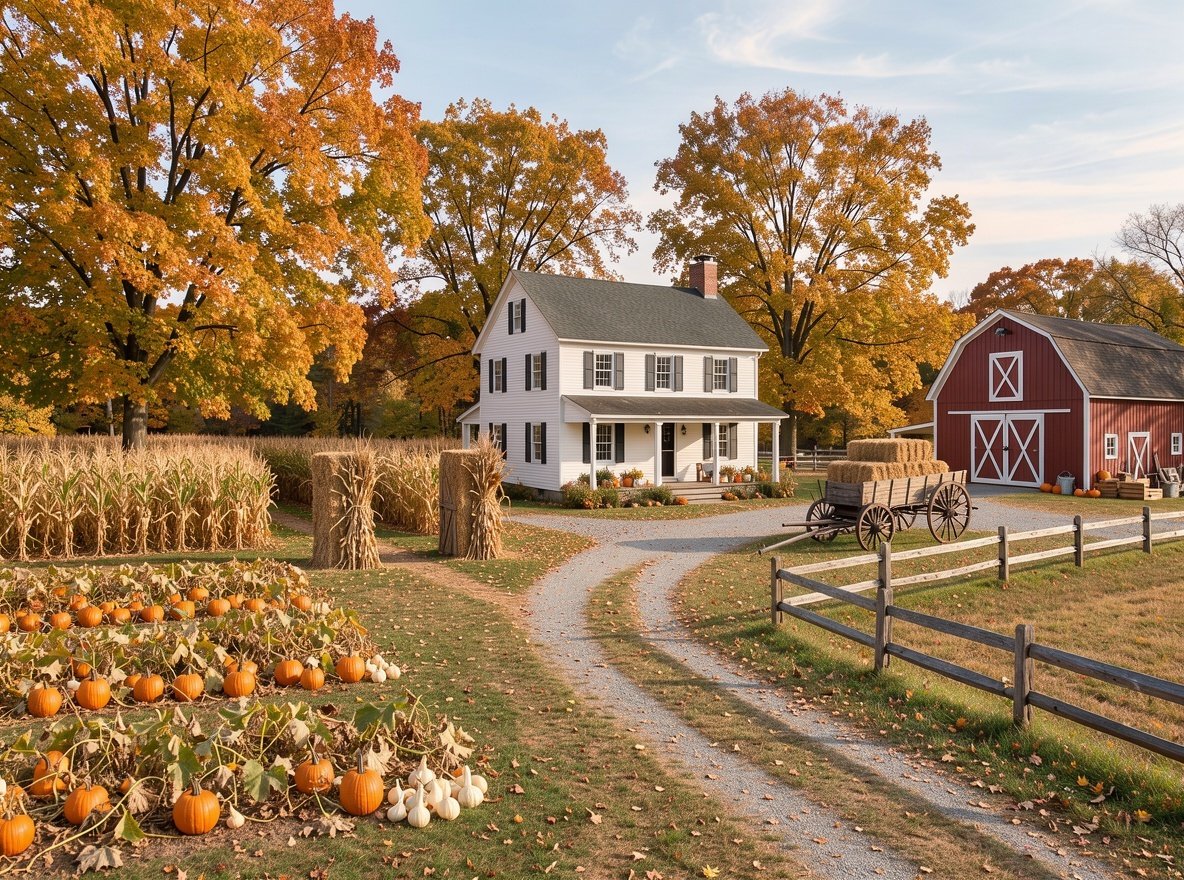
The state's reputation as the Garden State is not marketing. In mid-August, roadside stands along Route 206, County Route 518 and the back roads of Somerset and Hunterdon sell tomatoes that people in other states have written books about. Pick-your-own berries run June into July; apples and pumpkins take over from September.

Beyond the produce, the agricultural landscape itself is the attraction: white clapboard farmhouses, red barns, hedgerows and covered bridges. It is best seen slowly, by car, on the smaller county roads.

Towns worth a stop

  • PrincetonCampus, museum, bookshops and a genuinely good restaurant scene.
  • New BrunswickRutgers, the Zimmerli, and George Street theatre and food.
  • SomervilleA revived county-seat main street with a walkable downtown and weekend events.
  • TrentonState capital, Old Barracks, and the State House. Best combined with the battlefields.
  • LambertvilleOn the river edge; antiques and galleries, best paired with the Delaware River region.
  • Hopewell and PenningtonSmall Sourland Mountain villages with cafes and a strong farm-stand culture.

Central Jersey practicalities

Getting around

A car is effectively essential. NJ Transit's Northeast Corridor line connects New Brunswick, Princeton Junction and Trenton, and a shuttle connects Princeton Junction to the campus, but the battlefields and farm roads need wheels.

When to come

April to June for gardens and campus visits. Late October for foliage and the battlefield meadows at their best light. August is hot and humid but it is tomato season, which is its own argument.

Costs

This is one of the cheaper regions in the state: most battlefield parks are free, the university art museums are free, and lunch in a college town runs $12–$20. Budget accommodation is limited in Princeton proper but plentiful in the surrounding towns.

Is Princeton University free to visit?

Yes. The campus is open to the public on foot at no charge, and the Princeton University Art Museum has free admission. Only official tours and some house museums require a booking or fee.

Can I see the battlefields in one day?

Yes — Princeton Battlefield, Washington Crossing and the Old Barracks in Trenton form a natural loop of about 45 minutes' driving between them. Allow five to six hours if you also want a museum interior.

What should I do if it rains?

The Princeton University Art Museum, the Zimmerli at Rutgers, the Old Barracks Museum and the State House all work in poor weather.


Where to go next

Next region

Follow the river west

The Delaware corridor gives you a gorge, a canal and river towns that time forgot.

Explore the Delaware River