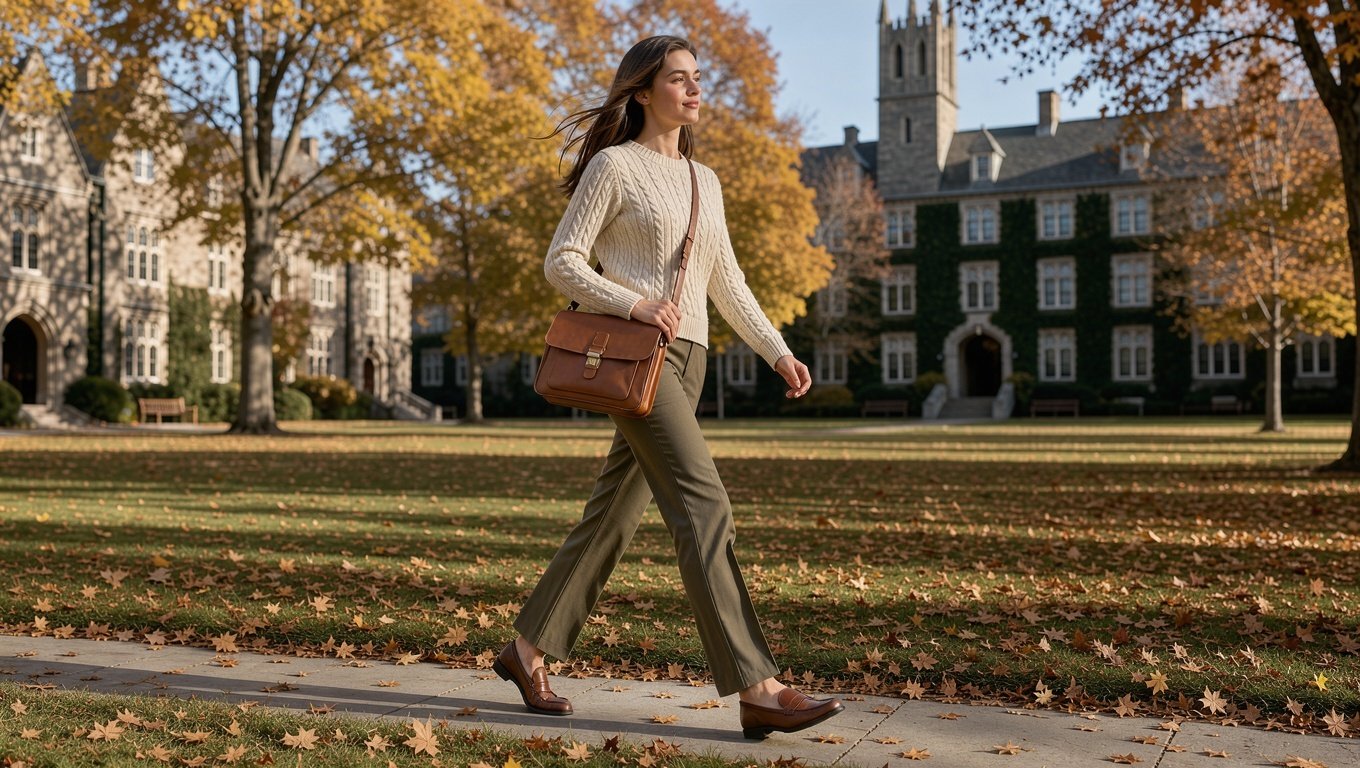
Princeton's Gothic quadrangles, the field where college football began, a Hoboken campus with the best skyline view in America. Here is how to visit each one properly — free things to walk into, where to park, and what to do in town after.
New Jersey has more higher-education institutions per square mile than almost any state, and a surprising number of them are worth a traveller's afternoon. This is not an admissions guide. It is a guide to the architecture, the art, the gardens and the college towns — the parts of a university that belong to everyone.
Two of them are genuinely major attractions. Princeton's campus is one of the finest pieces of Collegiate Gothic architecture in the United States, and its art museum is free. Rutgers is the birthplace of intercollegiate football and keeps a 180-acre botanical garden that most visitors never hear about.
Featured · 01
Princeton University
The most visited campus in the state, and the one that most rewards an unhurried walk. Founded in 1746, it moved here in 1756, and its core is a coherent piece of Collegiate Gothic built over three decades.
What to see, and what is free
Nassau Hall — built 1756, briefly the seat of the United States Congress. The front lawn and facade are the most photographed view on campus.
Blair Arch — the ceremonial gateway into the main quadrangle; the arch and its tower are the classic photograph.
East Pyne and the Chapel — the tallest Gothic elements, best in low side-light.
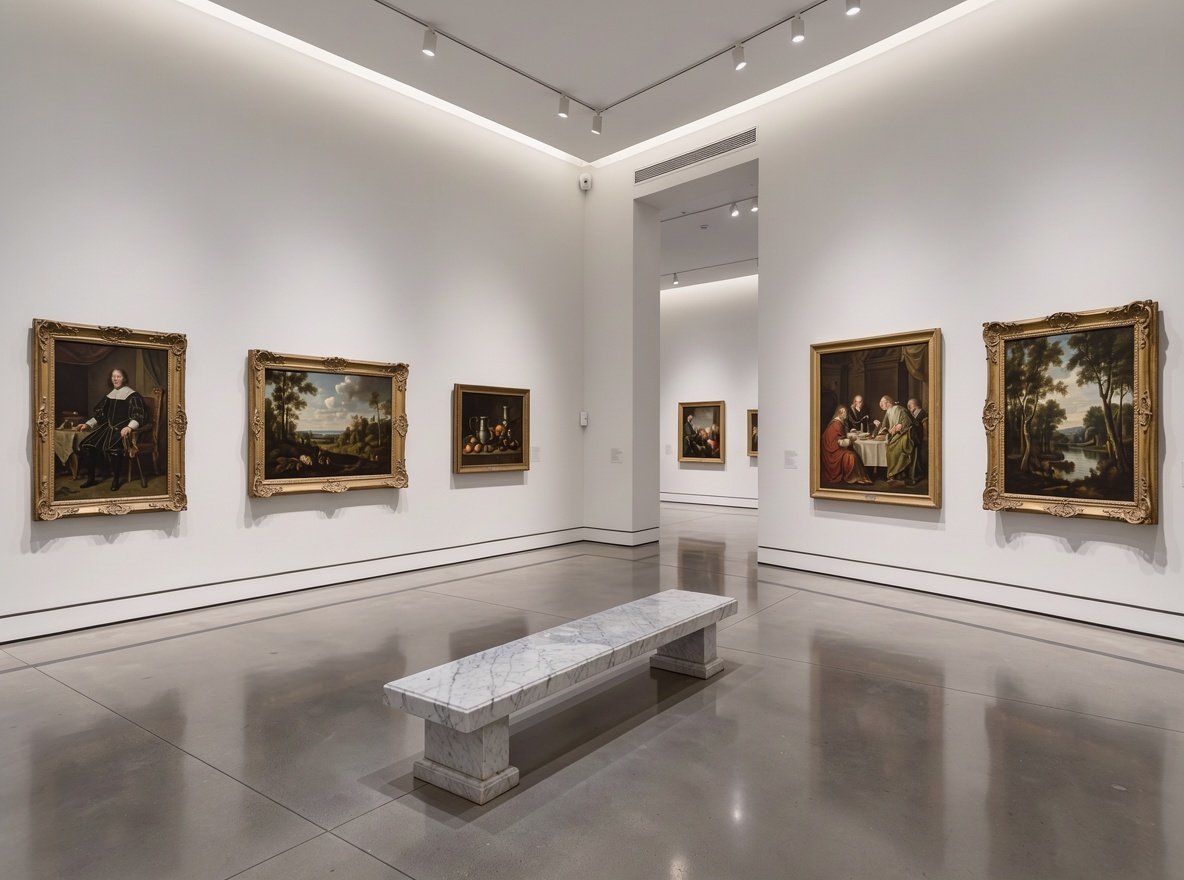
Princeton University Art Museum — around 100,000 works, free admission, strong on old masters, Asian art and American painting. Allow 90 minutes.
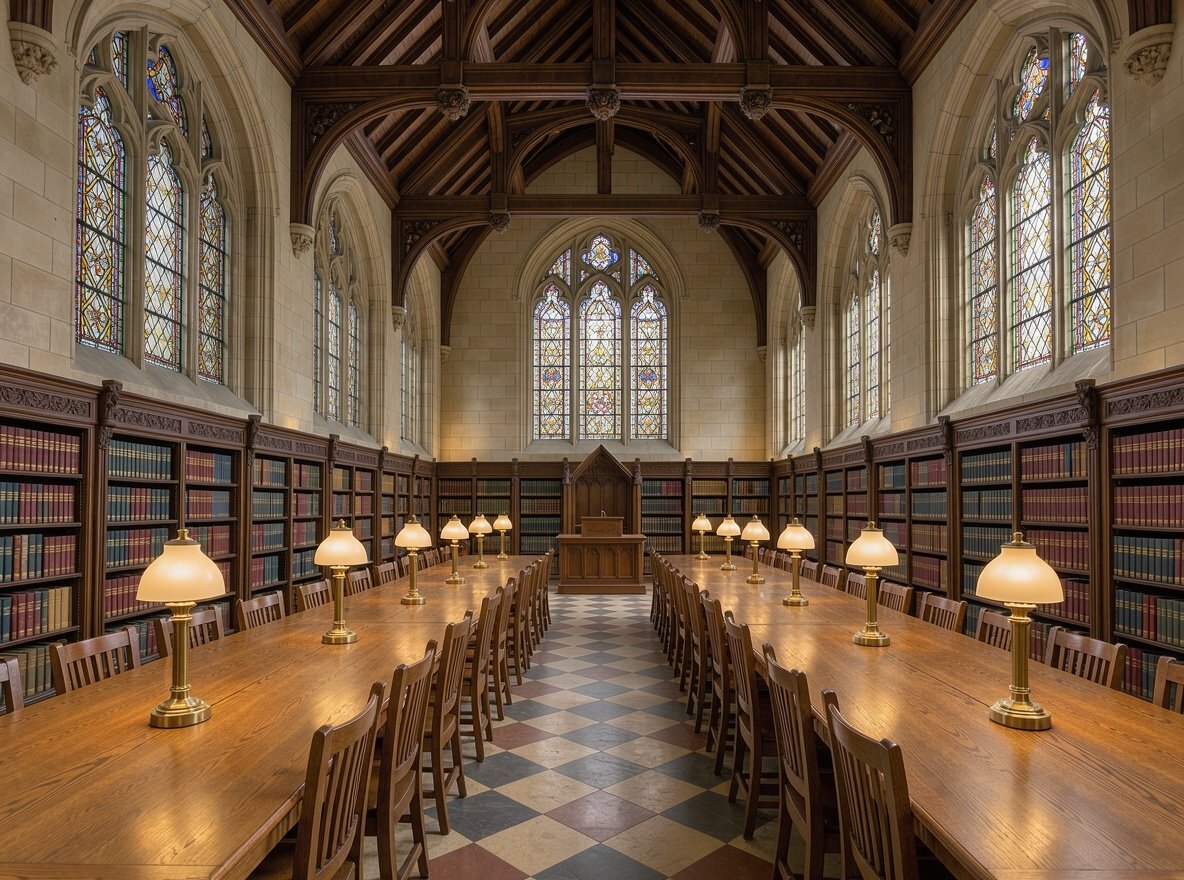
Firestone Library — the reading rooms are spectacular; visitor access to the building varies, so check at the desk.
Prospect House garden — a small formal garden behind the faculty club with a view over the lake.
Princeton essentials
EntryFree, open daily
Art museumFree
ToursBook ahead
Parking$4–20/day
Time needed3–5 hrs
Best seasonLate Apr, Oct
How to visit
Self-guided: no booking needed. Enter from Nassau Street through FitzRandolph Gate and walk the main quadrangle. Campus buildings are generally open on weekdays; some require card access. Do not enter residential colleges or libraries without checking.
Official tours: student-led tours run most weekdays during term, plus selected weekends, and are bookable through the university's visitor centre. They fill quickly from September to November and again in spring. Book two to three weeks ahead if you are travelling specifically for one.
Parking: street parking in the town centre is metered and enforced until 8pm on weekdays. The university's visitor lots are cheaper and a ten-minute walk from the quads. On busy weekends, the lots off Faculty Road are the reliable option.
Accessibility: the central campus is largely flat and paved, with step-free routes through most of the main quadrangle. Some historic buildings have stepped entrances only. The art museum is fully accessible.
Add these nearby
Princeton Battlefield State Park is ten minutes' drive and free — the meadow where Washington's counterattack turned the 1777 campaign. Morven Museum & Garden sits a block from Nassau Street, in a house that served as the governor's residence. Both are covered on the Central Jersey page.
University art museums in New Jersey are free and almost never crowded on weekdays.Reading rooms like this are the architectural highlight of any Collegiate Gothic campus.
Featured · 02
Rutgers University, New Brunswick
The state's flagship public university, founded in 1766, and the place where intercollegiate football was born: Rutgers beat Princeton 6–4 on 6 November 1869 in the first game ever played between two colleges.
Rutgers essentials
EntryFree, open daily
Zimmerli museumFree
GardensFree
ParkingVisitor lots
Time needed3–4 hrs
Best seasonMay, Oct
What to see, and what is free
Old Queen's — an 1809 building in the Greek Revival style, the oldest surviving structure on campus and now a national historic landmark.
Zimmerli Art Museum — free admission, and holds one of the largest collections of Russian and Soviet nonconformist art outside Russia.
Rutgers Gardens — 180 acres of display gardens, woodland and a bamboo forest in the North Brunswick section. Free, open daily, and rarely busy on weekdays.
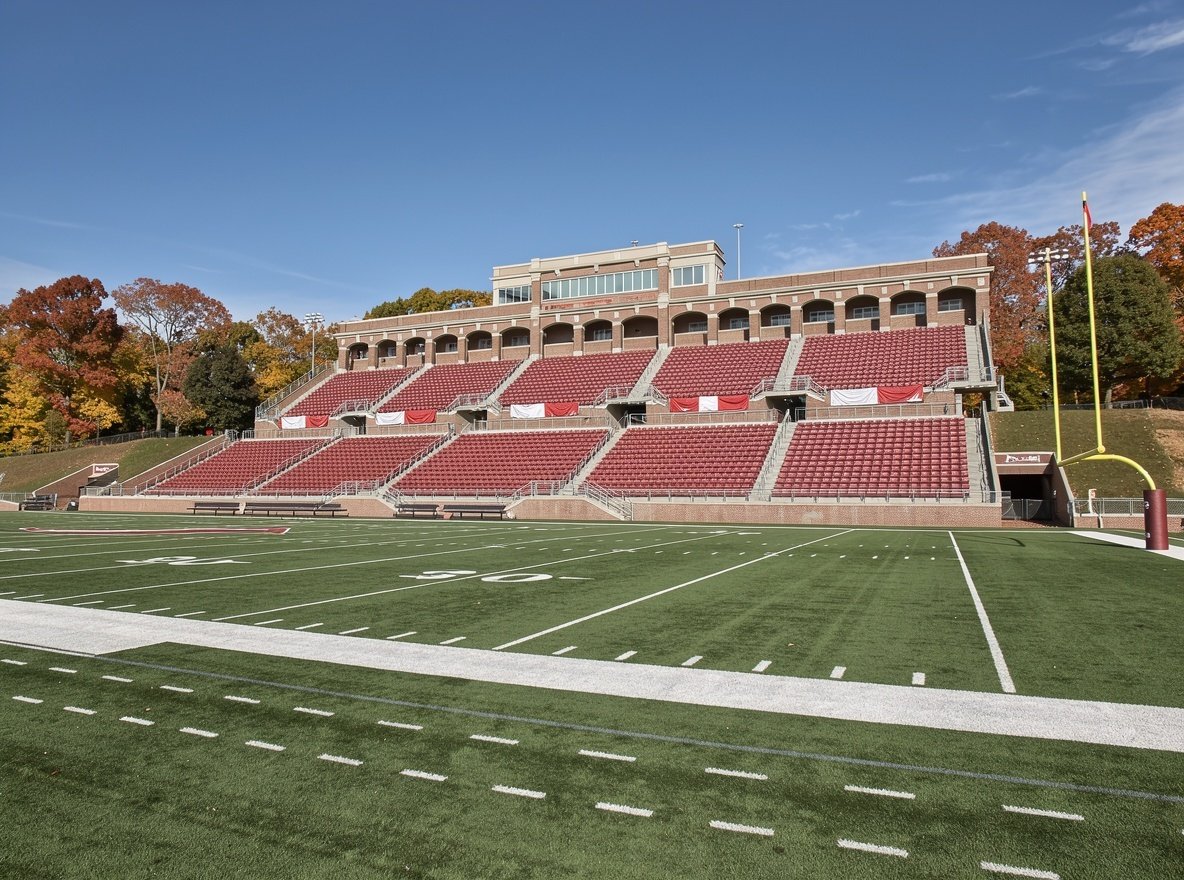
SHI Stadium — Big Ten football on autumn Saturdays; the atmosphere is lively and tickets for non-conference games are often affordable.
Voorhees Mall — the long green spine of the old campus, lined with mature trees.
How to visit
The New Brunswick campus is spread across five sub-campuses linked by bus, which matters for planning: Old Queen's, Voorhees Mall and the Zimmerli are all on the College Avenue campus, walkable from the downtown station. Rutgers Gardens is a short drive north.
Getting there: NJ Transit's Northeast Corridor line stops at New Brunswick, roughly a five-minute walk from College Avenue — this is one of the easiest campuses in the state to reach without a car.
Nearby: New Brunswick's George Street has a dense cluster of restaurants and a restored 1920s theatre. See the Central Jersey page for the town side.
Autumn Saturdays are the best time to see a New Jersey campus at full volume.
Featured · 03
Stevens Institute of Technology, Hoboken
Stevens occupies a bluff above the Hudson in Hoboken, and the view from its Castle Point campus takes in the full Manhattan skyline. Founded in 1870, it is one of the oldest technological universities in the United States.
What to see: the Castle Point overlook itself, which is arguably the best free view in the state; the Victorian-era campus buildings; and the surrounding Hoboken streets, which are worth the walk on their own.
How to visit: the campus is small and open, and the waterfront path along Frank Sinatra Park connects it directly to the Hoboken Terminal. Arrive by PATH or ferry — parking in Hoboken is genuinely painful. Best light is late afternoon.
Featured · 04
Rowan University, Glassboro
Rowan is a fast-growing public research university in Glassboro, southern New Jersey, with a compact and walkable campus and a strong arts and engineering focus.
What to see: the campus green and its modern architecture, the Rowan University Art Gallery, and the town's revived main street. Rowan is also a useful base for exploring southern Shore towns — it is roughly 40 minutes from Cape May.
Why visit: if you are touring campuses in the southern part of the state, Rowan breaks up the drive between Philadelphia and the Shore. It also hosts a busy public events and performance calendar.
Featured · 05
Montclair State University
Set on a hilltop about 14 miles from Manhattan, Montclair State has one of the more scenic campuses in the northern part of the state, with views toward the New York skyline from its upper edges.
What to see: the hilltop quadrangle, the Alexander Kasser Theater's public performance programme, and the university art galleries. The surrounding town of Montclair is a destination in itself — a genuinely good restaurant and gallery scene, and the Montclair Art Museum.
How to visit: NJ Transit's Montclair–Boonton line reaches the campus area, and the drive from the Lincoln Tunnel is about 30 minutes outside rush hour.
Other campuses worth knowing
Self-guided walking visits are generally free; official tours usually require booking.
Institution
Town
Why a visitor would go
New Jersey Institute of Technology
Newark
Urban architecture and close access to the Newark Museum of Art.
Seton Hall University
South Orange
Pretty campus, and a walkable village centre with a commuter rail stop.
Rider University
Lawrenceville
Near the Princeton battlefields and the Lawrenceville School's historic grounds.
Monmouth University
West Long Branch
Shadow Lawn, a 1920s mansion used as a film location, on a wooded campus near the Shore.
Drew University
Madison
A wooded, hilly campus with a small art museum and a theological library.
College-town weekends
New Jersey's college towns are the state's most underrated travel product: walkable centres with good food, independent shops and a cultural calendar, usually within an hour of a major city and much cheaper than either.
Best overall
Princeton
Nassau Street and the blocks around it give you bookshops, a bakery culture, several genuinely good restaurants and a free world-class museum within a ten-minute walk. Pair with the battlefield and Morven for a full day; stay for dinner.
George Street is dense with restaurants at every price point, and the theatre district has been restored. Reachable by NJ Transit, which makes it one of the few car-free college-town weekends in the state.
Stevens, the waterfront and Washington Street in one walkable square mile. The skyline view from Castle Point is the reason to come; the bakeries are the reason to stay.
The university sits above a town with a real arts identity: the Montclair Art Museum, independent galleries and a restaurant scene that punches well above its size.
Architecture photography on these campuses is mostly about light direction and getting there early. These are the reliable frames.
Blair Arch, Princeton — shoot from inside the quadrangle in late afternoon when the light rakes across the stone; mid-morning gives flat, contrastless results.
Nassau Hall front lawn, Princeton — early morning in autumn, when the lawn is empty and the light is behind you.
Castle Point, Stevens — late afternoon into blue hour for the skyline; a tripod helps after sunset.
Voorhees Mall, Rutgers — spring blossom and autumn colour both work; the long axis gives a natural leading line.
Rutgers Gardens bamboo grove — overcast days are better than sun here; the light is diffuse and the greens saturate.
Etiquette: these are working institutions. Do not photograph students close-up without asking, do not enter buildings signed for card holders only, and avoid blocking paths during class changes.
Frequently asked
Is Princeton University open to visitors?
Yes. The campus is open to the public on foot and free to walk, including the main quadrangle and Nassau Hall. The art museum is free. Official student-led tours need booking; self-guided visits do not.
Do I need to book a campus tour?
For official student-led tours, yes — and slots fill quickly from September to November and March to April. Self-guided walking visits generally require no booking at all.
Are campus art museums free?
The Princeton University Art Museum and the Zimmerli Art Museum at Rutgers are both free to enter. This makes them among the best-value rainy-day options in the state.
Which campuses are easiest without a car?
Hoboken (Stevens) via PATH or ferry, and New Brunswick (Rutgers) via NJ Transit rail. Princeton is reachable by rail to Princeton Junction plus a shuttle, though the shuttle adds time.
When is the best time for a campus visit?
Late April to early June, and late September to October. Both have good light, moderate weather and active campus life. October adds foliage at Princeton and Montclair.