The state is only about 150 miles long, but the travel experiences inside it barely overlap. Here is how to pick between them without wasting a weekend.
Most visitors pick a region by default: the Shore if it is summer, the Hudson waterfront if they are coming from Manhattan. Both are good choices, but they are not the only ones — and neither is the best answer for a short trip in October.
Use the comparison table below to match a region to the kind of trip you are actually taking. Each region page then goes deeper: towns worth the detour, must-see attractions, realistic drive times, and the season that region looks best in.
Compare the regions
Drive times are from the New Jersey Turnpike's midpoint unless noted; they assume normal traffic, not a Friday afternoon in July.
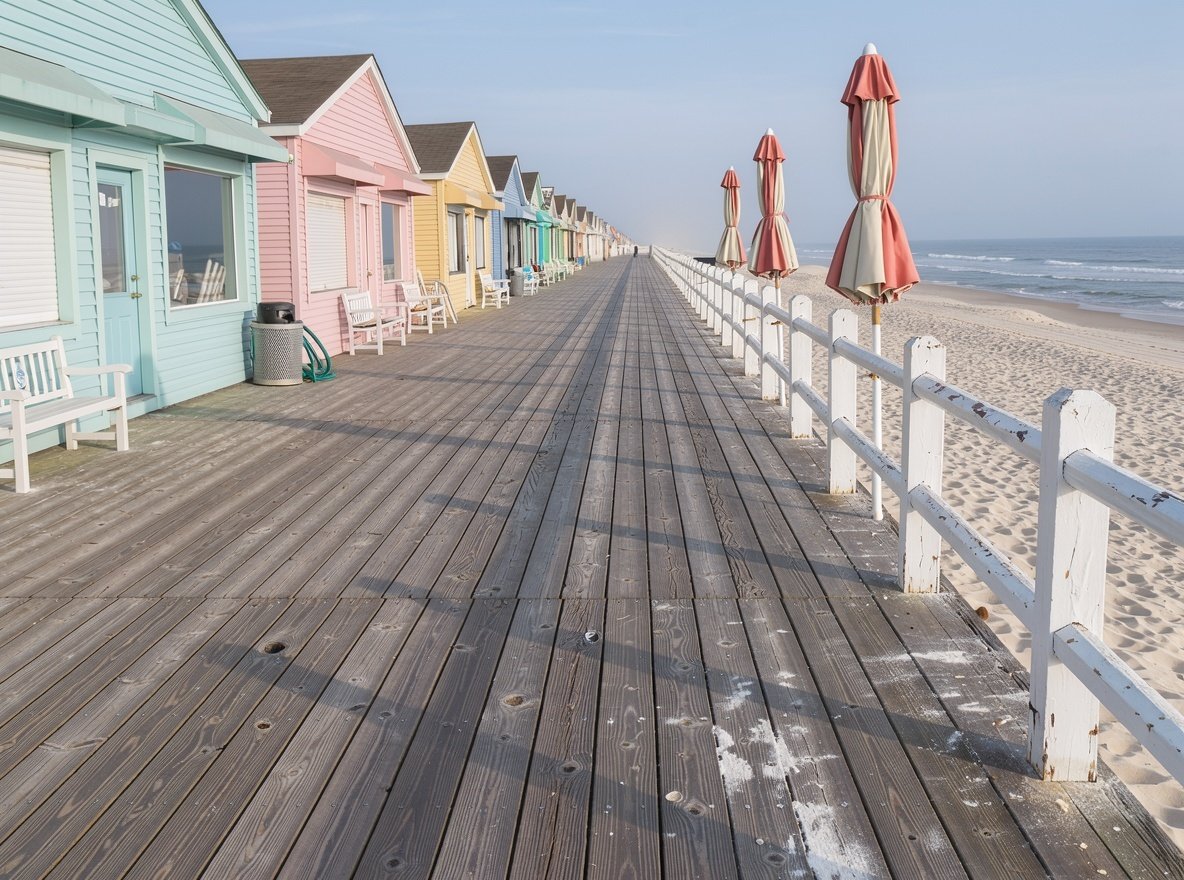
Boardwalk planks at dawn: the only way to see a Shore town without a crowd.
Region 01
Jersey Shore
130 miles of barrier-island coastline from Sandy Hook down to Cape May, with the Pine Barrens sitting immediately inland. This is the state's signature trip and its most crowded one.
What it does best: swimming beaches with lifeguards, four boardwalks worth walking, Cape May's Victorian district, and lighthouses that are genuinely climbable.
Practical reality: most towns require a beach tag in season, parking near the beach costs $10–25 a day in July, and Route 35 and the Garden State Parkway both slow to a crawl on summer Saturdays.
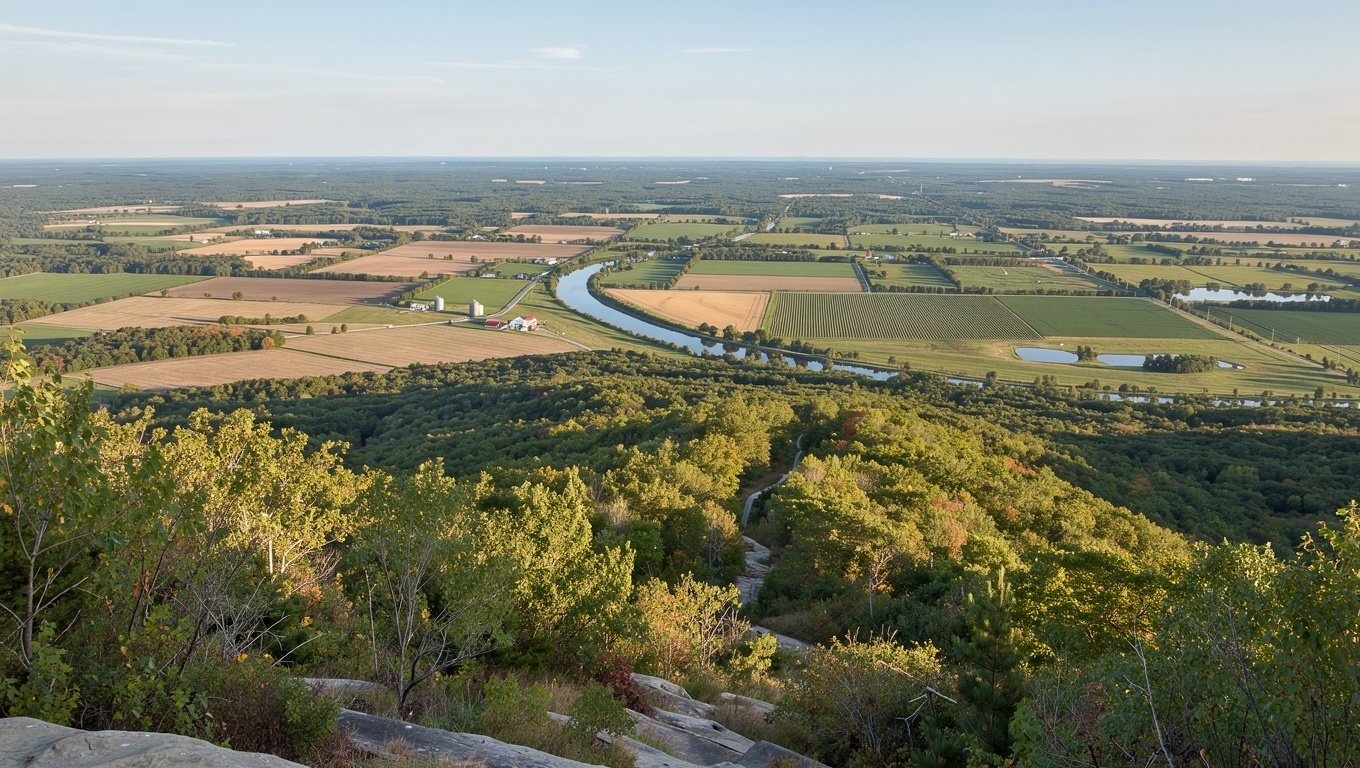
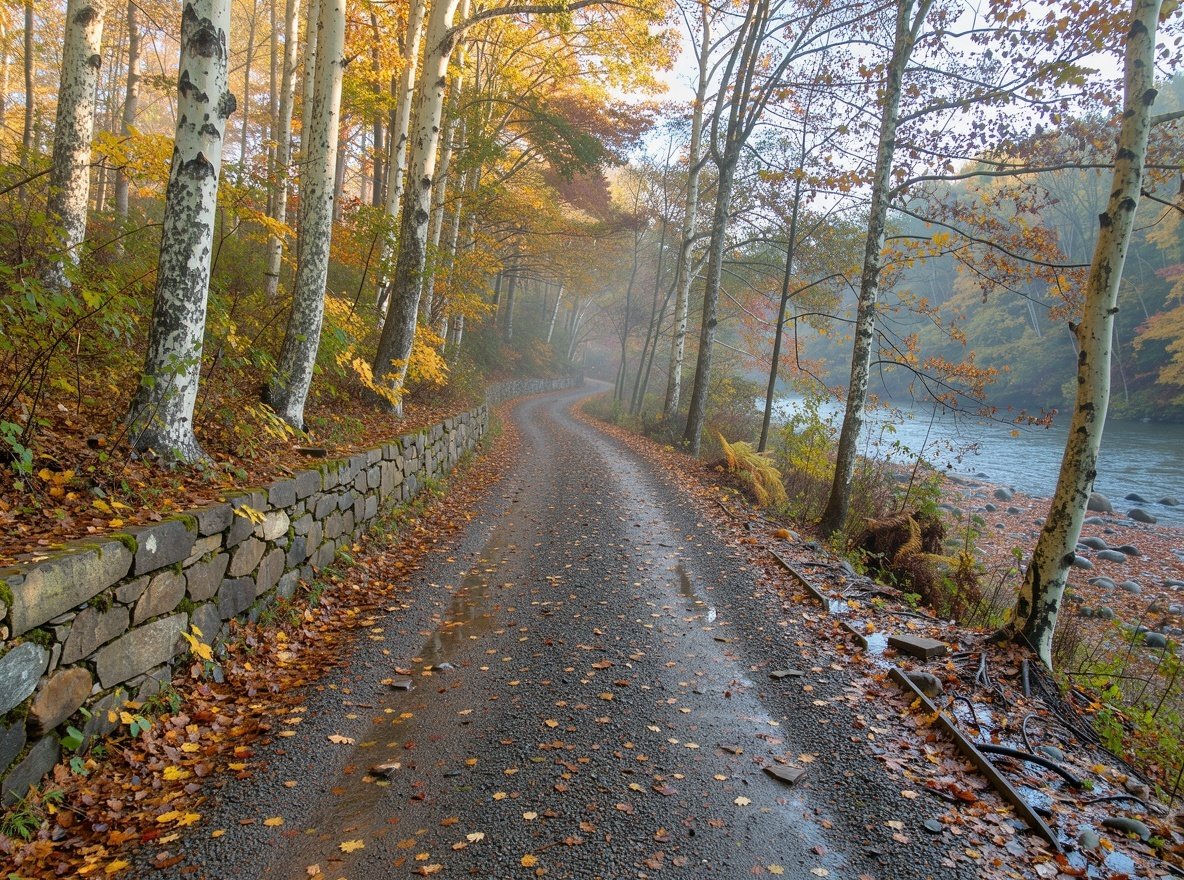
The high northwest: Sussex, Warren, Morris and Hunterdon counties, where the Appalachians roll through at 1,000–1,800 feet and the state feels nothing like its coastal reputation.
What it does best: ridgeline hikes, glacial lakes, waterfall walks, pick-your-own orchards and the best fall foliage window in the state (usually the second and third weeks of October).
Practical reality: trailhead car parks fill by 9am on October weekends, cell signal is patchy in the valleys, and many small roads are genuinely narrow. Bring layers — it runs 5–8°F cooler than the coast.
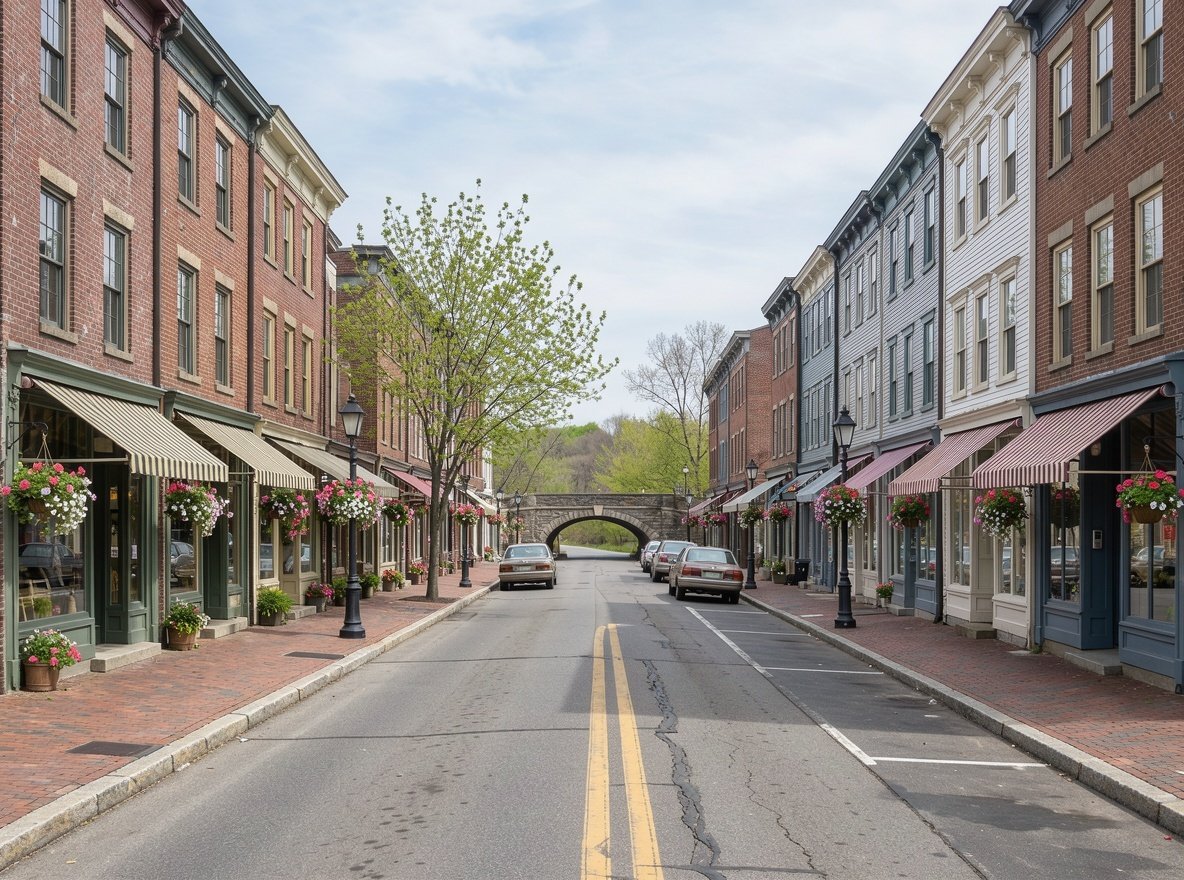
Small-town main streets are the Skylands' second attraction after the landscape.Gateway is the most transit-friendly region in the state.
Region 03
Gateway & Hudson County
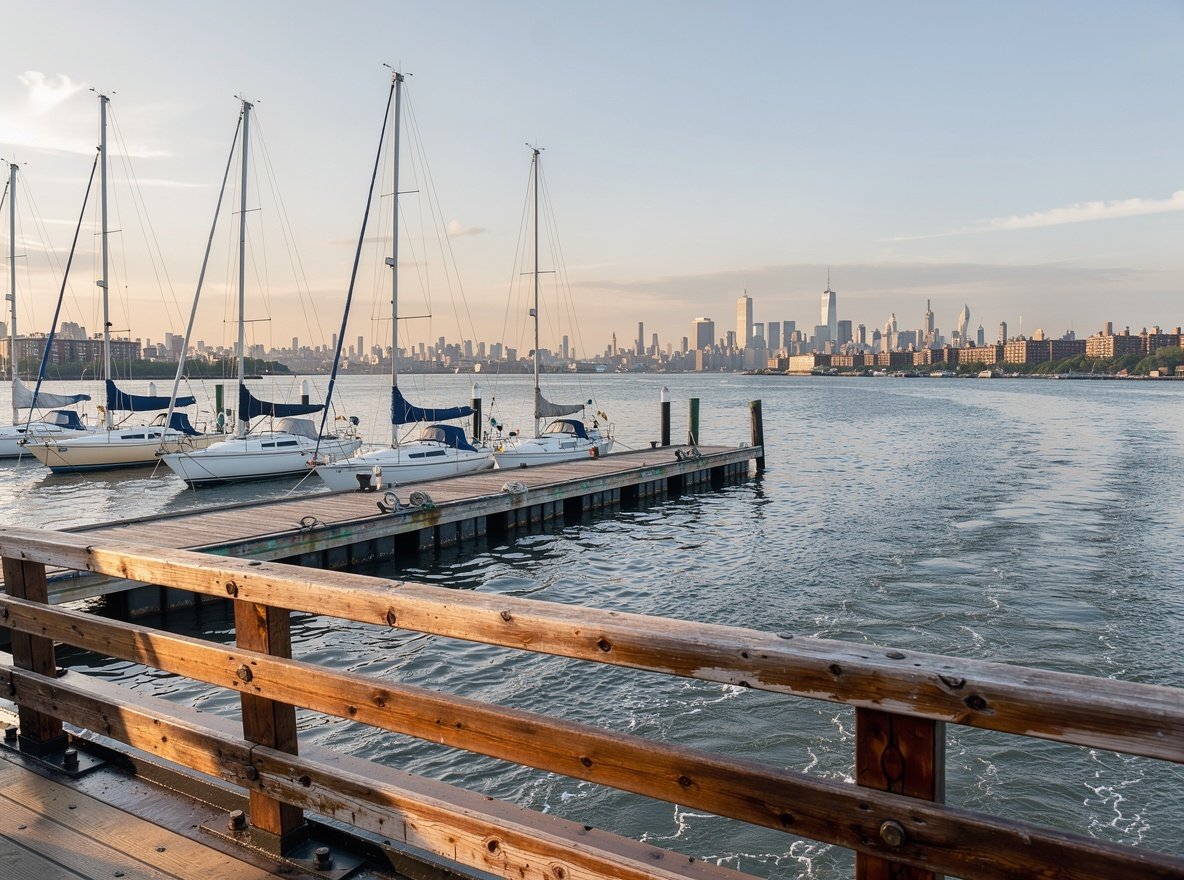
The six miles of Hudson waterfront facing Manhattan, plus Newark and the Oranges inland. Dense, walkable, and connected by train, ferry and light rail.
What it does best: skyline views from the New Jersey side, the Statue of Liberty and Ellis Island from Liberty State Park, Edison's West Orange laboratory complex, and the state's strongest restaurant scene.
Practical reality: this is the one region where you should not drive. Street parking in Hoboken and Jersey City is a genuine ordeal; the PATH train and NY Waterway ferries are faster and cheaper.
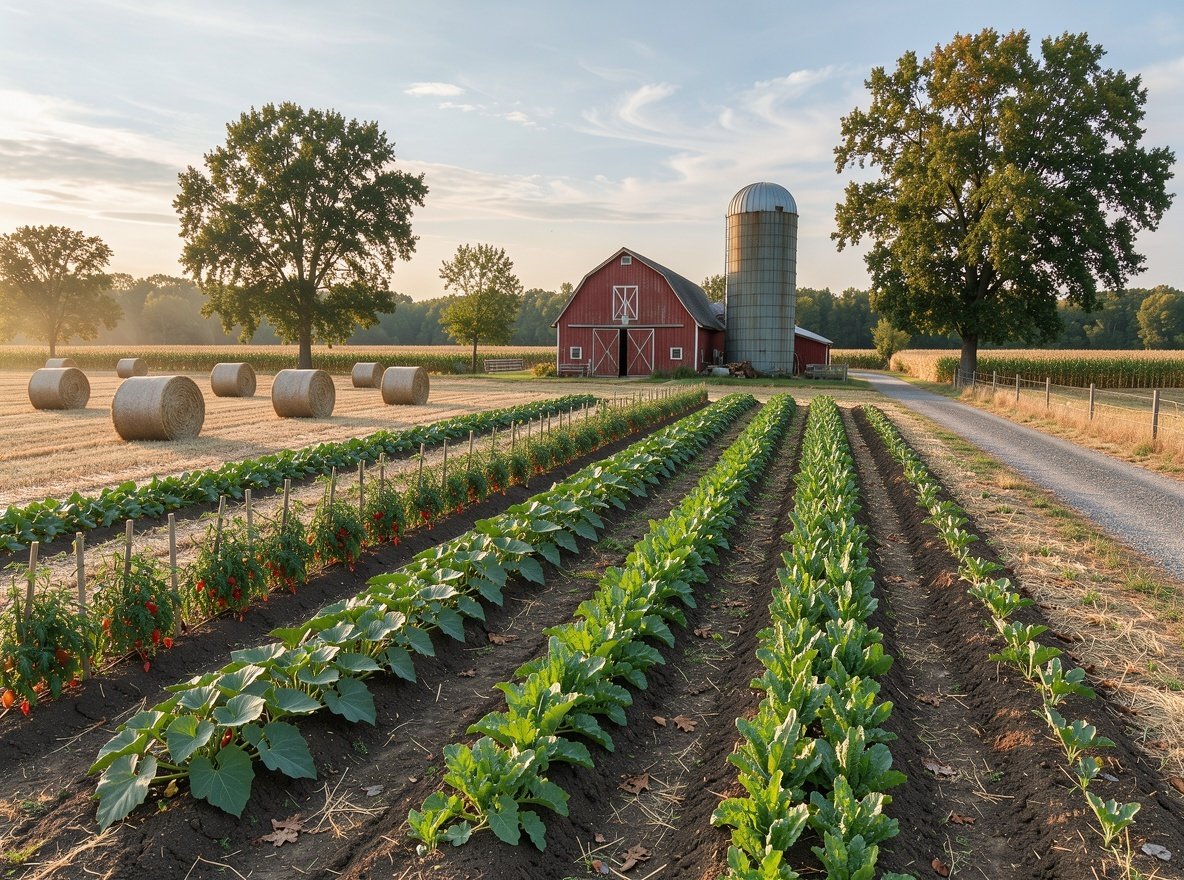
The state's quiet middle: Princeton, the battlefields around Trenton, working farmland, and small cities like New Brunswick and Somerville that have rebuilt their centres around food and campuses.
What it does best: Revolutionary War sites within 30 minutes of each other, Princeton's campus and art museum, Rutgers Gardens, and farm stands along Route 206.
Practical reality: attractions are spread out and most need a car. Many small historic houses open only Wednesday to Sunday, and several are free but run on volunteer docents.
Farm stands along the central corridors are a legitimate reason to detour.Two-lane valley roads define how the Delaware corridor feels to drive.
Region 05
Delaware River Region
The state's western border: a 70,000-acre national recreation area, the last intact towpath canal in the country, and river towns like Lambertville, Frenchtown and Stockton.
What it does best: the Water Gap overlooks, flat canal cycling, tubing and kayaking on a gentle river, antiques in Lambertville, and vineyards on the slopes above the valley.
Practical reality: river levels determine whether tubing operators open at all. Weekends in autumn are busy, and the route 29 and 46 corridors are slow two-lane roads where patience matters.
Stay in Gateway. It is the only region you can cover properly without a car, and the skyline views are unmatched. Add Liberty State Park in the morning and Hoboken in the afternoon.
If you have a summer weekend
The Shore, but go south of Long Beach Island for slightly thinner crowds, or pick Cape May for architecture over beach time. Book lodging eight to ten weeks ahead.
If you are travelling in October
Split between the Skylands and the Delaware River. Leaf colour peaks mid-month, and both regions are at their best when the Shore has emptied out.
If you are visiting campuses
Base yourself in Central Jersey. Princeton and Rutgers are 25 minutes apart, and the college towns are worth an evening each. See the universities guide.
If you are travelling with children
The Shore's boardwalk towns and the theme parks in the central corridor. Our family section lists what is genuinely worth the ticket price.
If you hate planning
Use a finished plan. The itineraries page has four routes with drive times, parking notes and rainy-day swaps already worked out.
Season note: the state's weather is genuinely four-season. Summer humidity on the coast is real, winter in the highlands brings real snow, and spring arrives two to three weeks later in Sussex County than in Cape May.
Next step
Pick a region and start with the detail
Every region page lists towns, attractions, drive times and the season that suits it.