Beach tags, transit, parking, costs, accessibility and the seasonal realities that decide whether a trip runs smoothly.
When to visit, month by month
Ocean temperatures are approximate surface readings; highland temperatures run 5–8°F cooler than the coast.
Period
Weather
Best for
Watch out
March–April
8–18°C, changeable
Campus visits, gardens, early bloom
Many shore businesses still shut
May–early June
16–24°C, mild
Hiking, river towns, fewer crowds
Some beaches unguarded until late June
Late June–August
24–32°C, humid
Beaches, boardwalks, tubing
Peak prices and traffic
September
20–27°C, warm sea
Best all-round month
Lifeguards often weekends only
October
12–20°C, dry
Foliage, orchards, campus walks
Trailhead parking fills early
November–February
−2–9°C
Museums, casinos, city weekends
Many seasonal businesses closed
The one-line answer
If you can only pick one window: the first two weeks of September. The ocean is at its warmest, prices drop sharply after Labor Day, and the crowds thin without the weather turning.
NJ Transit rail covers the corridor cities well; the Shore and highlands need a car.October is the state's most photogenic month inland, and its busiest for farm visits.
Beach tags, explained
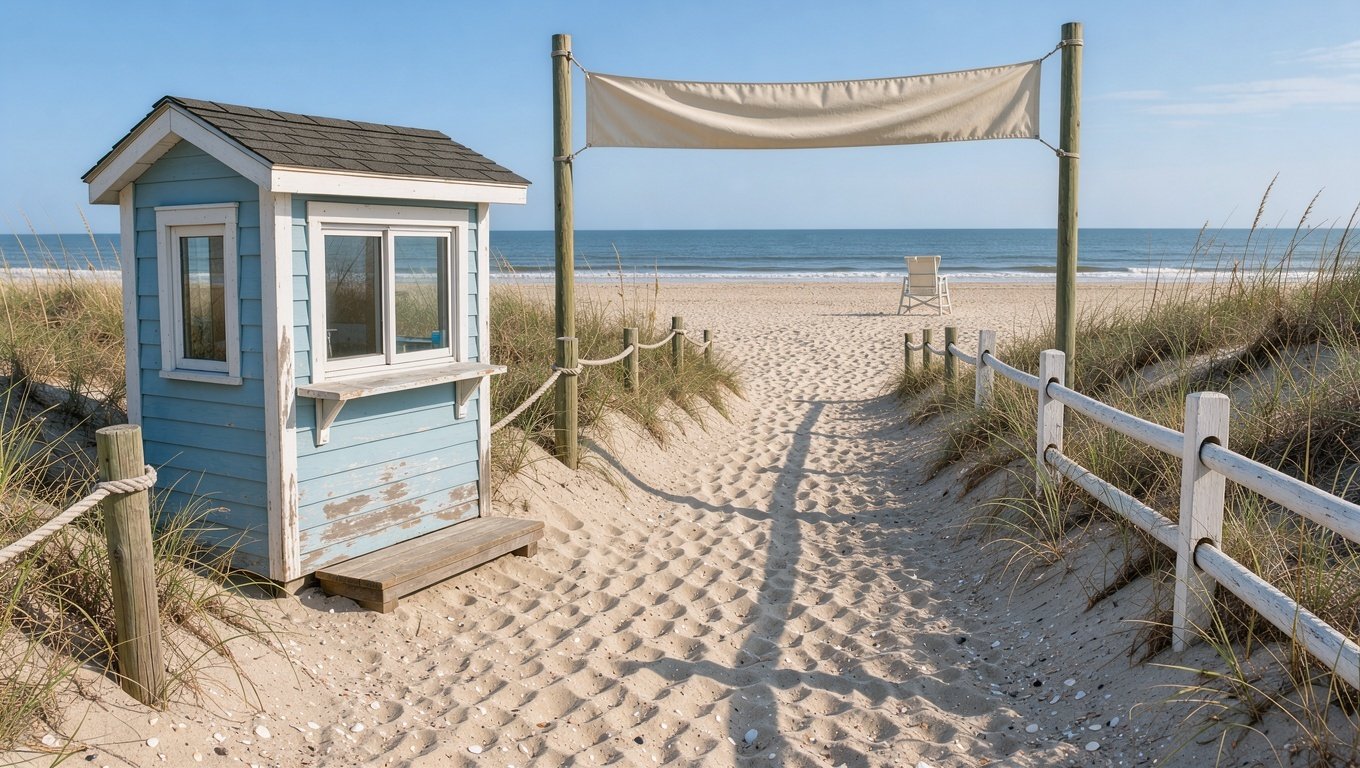
New Jersey's beach tag system surprises visitors more than anything else in the state. Most towns with paid lifeguard service charge for beach access in season. The money funds lifeguards, beach cleaning and dune maintenance — it is not a scam, but it is also not optional.
Tag type
Typical price
Notes
Daily
$5–$12
Sold at beach entrance booths; cash is quicker
Weekly
$15–$25
Usually Saturday to Saturday
Seasonal
$30–$50
Per person; children under 12 often free
Per vehicle
$10–$20
Island Beach State Park and similar
How enforcement works
Beach checkers walk the sand through the day and will ask to see a tag. Buy at the entrance booth — never from someone approaching you on the beach. Tags must be worn visibly, usually pinned to swimwear or a bag.
Towns that do not require tags
Atlantic City and Asbury Park do not charge for beach access, and a handful of others have free sections. Rules and fees change year to year, so check the specific town's official page before you travel rather than relying on any guide, including this one.
Children and seniors: many towns waive tags for young children and sometimes for residents' guests or seniors. Ask at the booth — the rules vary enough that it is worth the question.
Getting around
Driving is the default for most of the state — but not for the Hudson waterfront.
The short version
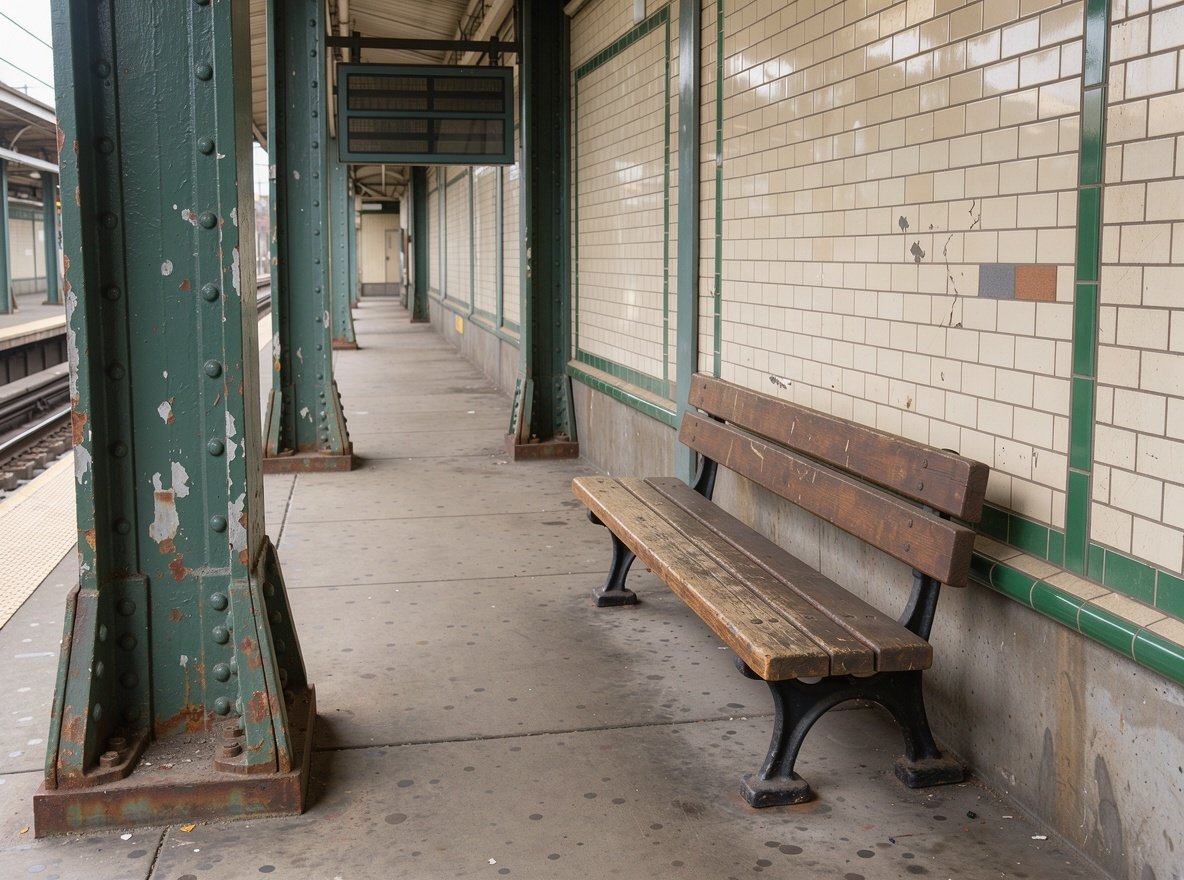
No car needed: Gateway & Hudson County. NJ Transit, PATH and NY Waterway ferries knit Jersey City, Hoboken, Newark and the Manhattan waterfront together.
Car essential: the Skylands, the Delaware River corridor, the Pine Barrens and most of Central Jersey's battlefields and farms.
Partly possible: the Jersey Shore. The North Jersey Coast Line reaches Long Branch, Asbury Park and Bay Head, but the smaller towns and the beach itself need wheels.
Fares are approximate and change; confirm current pricing before travel.
Service
Coverage
Typical fare
NJ Transit rail
Statewide commuter network, NYC and Philadelphia links
$3–$17
PATH
Newark, Harrison, Jersey City, Hoboken ↔ Manhattan
$2.75
NY Waterway ferry
Hudson River crossings
$9–$10
Hudson-Bergen Light Rail
Bayonne ↔ North Bergen waterfront
$2.75
NJ Transit bus
Local and interstate routes
$2–$12
Driving and parking
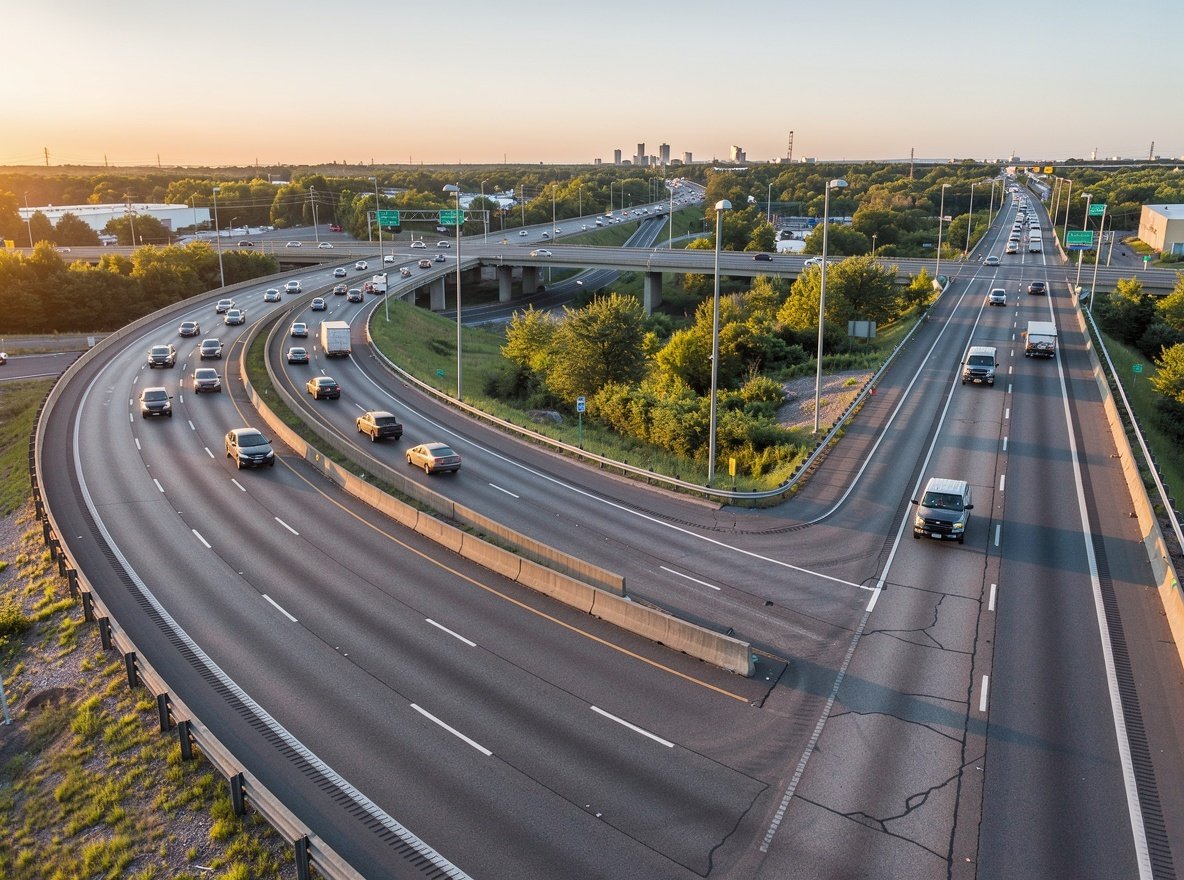
Tolls are largely electronic; a transponder saves both time and money on the turnpike and parkway. Left exits are common on older highways, and jughandles — where you turn right to go left — confuse first-time visitors. Follow the signs rather than instinct.
Beach parking runs $10–$25 a day in season. City garages in Hoboken and Jersey City run $25–$40. Street parking in those cities is resident-permit dominated and enforcement is aggressive.
Small inns along the river and highlands fill first in foliage season — book October early.
Traffic
Friday afternoons and Saturday mornings in July and August are the worst windows on the Garden State Parkway. Shifting your drive to Saturday evening or Sunday morning can save an hour or more. The same is true of Route 29 along the Delaware on autumn weekends.
What a trip costs
Per person, per day, excluding transport to the state.
Region
Budget
Mid-range
Peak season
Jersey Shore
$120
$180
$260
Skylands
$90
$130
$180
Gateway & Hudson
$110
$170
$240
Central Jersey
$95
$140
$190
Delaware River
$85
$125
$170
Accommodation is the biggest variable. A modest Shore motel within walking distance of a beach can run $180–$320 a night in late July. Camping at state parks and staying two towns inland cuts this substantially.
Free things that are genuinely good: campus walking visits, university art museums, battlefield parks, Liberty State Park's promenade, most state park trails, and the Cape May County Zoo.
Accessibility
New Jersey's major attractions are generally well served for accessibility, though older historic buildings and beach towns present real limitations. Practical notes by category:
Museums and galleries — the Princeton University Art Museum, the Newark Museum of Art and the Zimmerli are fully accessible with lifts and accessible toilets.
Campus visits — Princeton's central campus is largely flat and paved with step-free routes through most of the main quadrangle, though some historic buildings have stepped entrances only. Rutgers' College Avenue campus is similarly level.
Beaches — a growing number of Shore towns provide beach wheelchairs, usually free and available from the beach patrol or lifeguard station. Call the town's recreation department in advance; availability is limited and first-come.
Boardwalks — Ocean City, Atlantic City and Asbury Park boardwalks are flat, wide and usable with a wheelchair or stroller. Wildwood's is longer but similarly level.
Trails — the Delaware & Raritan Canal towpath is flat and the most accessible long route in the state. Ridge trails at the Water Gap are rocky and steep, and not suitable for wheels.
Historic houses — many 18th- and 19th-century buildings have narrow doorways and stairs. Where a ground floor is accessible, staff usually say so on the site's own page.
Ask ahead: accessibility provision at small volunteer-run museums and beach towns varies year to year. A phone call the week before is more reliable than any published guide, including this one.
Cookies, storage and privacy
This site is deliberately built to collect as little as possible. Here is exactly what happens when you use it.
What we do not do
No advertising cookies, no analytics cookies, no tracking pixels.
No third-party scripts, fonts, stylesheets or image CDNs. Every asset is served from this domain.
No account system, no newsletter signup, no form that sends data anywhere.
No Cloudflare Insights or similar beacon script.
What we do store
A single entry in your browser's localStorage, under the key njin-cookie-ack, records that you dismissed the cookie notice so it does not reappear on your next visit. It holds the value "acknowledged" and nothing else — no identifier, no timestamp beyond what your browser stores, no personal data.
It never leaves your device and is never transmitted to us or anyone else. Clearing your browser's site data removes it, and the notice will simply appear again on your next visit.
Server-level cookies
Like any website, the hosting infrastructure may apply strictly necessary session cookies in order to serve pages and route requests. These carry no tracking information and are not used to build a profile of you. We do not add anything on top of them.
Contact email
The contact address in the footer is stored as a character-code array in JavaScript rather than as plain text in the page. This keeps it out of reach of address-harvesting crawlers. It is decoded in your browser only when you click the reveal button, and nothing is sent anywhere in the process.
External links
Where we link to third parties — a university, a park authority, a transport operator — those sites have their own policies, which we do not control. Following a link means you leave this site and its policy applies.
Questions about privacy?
Use the contact button in the footer to reveal our email address, then write to us. It is decoded locally in your browser; nothing is transmitted until you send a message yourself.
Frequently asked questions
Do I need a beach tag in New Jersey?
In most Shore towns with lifeguards, yes — from roughly late June through Labor Day. Daily tags cost $5–$12, weekly $15–$25, seasonal $30–$50. Some places, including Island Beach State Park, charge per vehicle. Atlantic City and Asbury Park do not require tags. Check the specific town for the current year.
What is the best time to visit New Jersey?
Late June to August for beaches. September is the best all-round month: warm ocean, thinner crowds, lower prices. Mid-October for highland foliage. April to June for campus visits and gardens. Winter for museums, casinos and city weekends.
Can I visit New Jersey without a car?
Yes for the Hudson waterfront, which is fully served by NJ Transit, PATH and ferries. The Shore is partly reachable by rail. The highlands, Pine Barrens and Delaware River corridor need a car. Our Gateway day itinerary is entirely car-free.
Is Princeton University open to visitors?
Yes. The campus is open on foot and free, including the main quadrangle and Nassau Hall. The art museum is free. Official tours need booking; self-guided walks do not. See the universities guide.
How many days do I need in New Jersey?
Two days covers one region properly. Four days lets you pair the Shore with Central Jersey, or the Water Gap with the highlands. A week is enough for a genuine loop of the state.
Is New Jersey expensive?
It is moderate by Northeast standards — cheaper than Manhattan, comparable to coastal New England outside peak. Shore accommodation in July is the expensive exception. Budget $85–$260 per person per day depending on region and season.
What about rip currents?
The Atlantic here produces genuine rips, especially in the two days after a storm. Swim only in front of an open lifeguard stand. If caught in one, swim parallel to shore rather than fighting it.
Does this site use cookies?
No advertising or analytics cookies, and no third-party scripts. A single localStorage flag remembers that you dismissed the notice. See the cookie and privacy notes above for full detail.
How current is this information?
Written for the 2026 travel season. Prices, opening days and beach tag rules change — always confirm with the attraction or town directly before relying on any figure here.