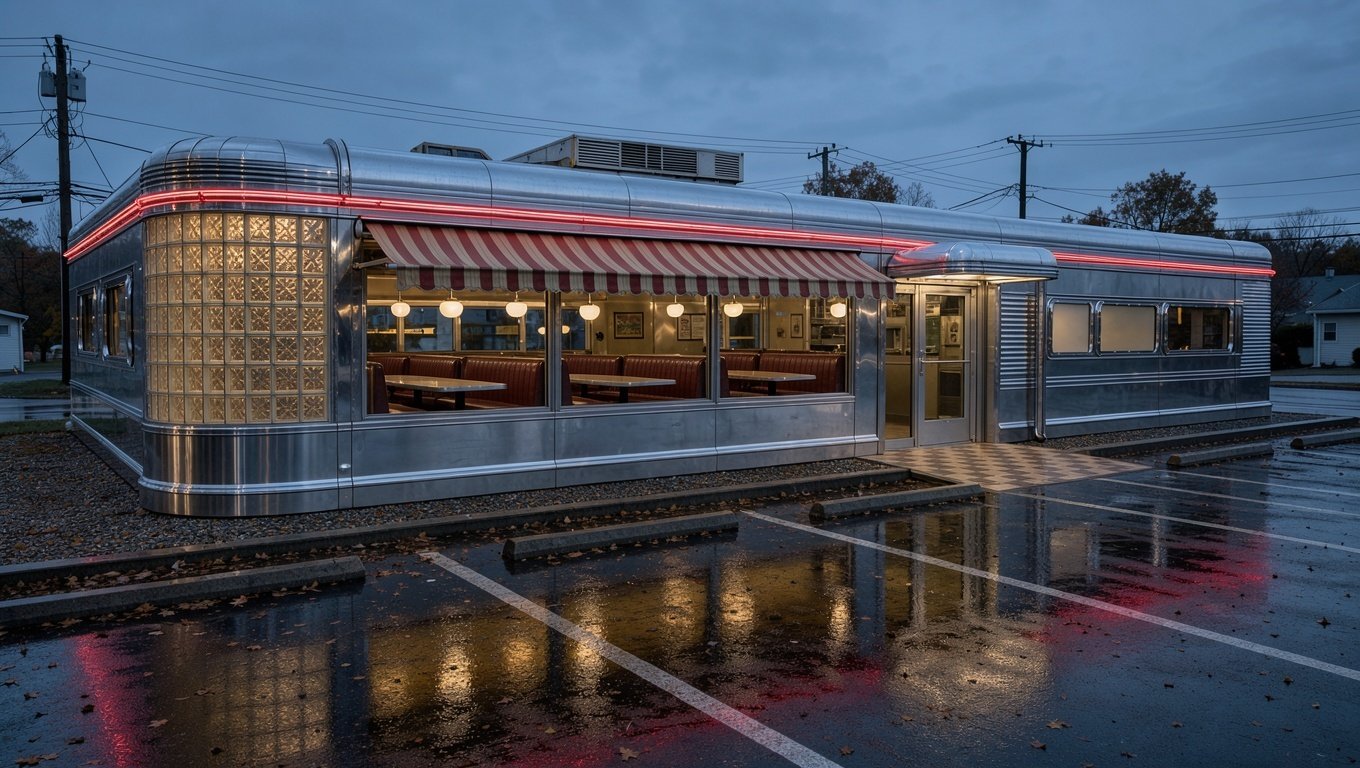
Classic stainless-steel New Jersey diner with chrome and neon trim glowing at dusk

Eat like a local

New Jersey food: diners, tomatoes and a serious brewery scene

The Garden State takes its food more seriously than its reputation suggests — and the diner is a genuine cultural institution, not a novelty.

New Jersey's food culture is built on proximity: farmland to the west, ocean to the east, and two major cities pressing in from either side. That combination produced a state with more diners per square mile than anywhere else in the country, a tomato season that people plan holidays around, and a restaurant scene in the Hudson towns that rivals Manhattan at two-thirds the price.


01 · The institution

Diners

New Jersey is where the American diner was manufactured — several of the companies that built the classic stainless-steel roadside diner were based in the state — and it is where the format still functions as everyday infrastructure rather than nostalgia.

What to expect: open early and often late, a menu running from breakfast through dinner, bottomless coffee, and a booth culture that does not hurry you out. Many have kept their original chrome, neon and glass-block corners.

What to order: breakfast at any hour. Crumb cake with coffee is the regional move. If you want the state's signature sandwich, ask for a pork roll (or Taylor ham, depending on which half of the state you are in) with egg and cheese on a roll.

Etiquette: if the diner is busy, do not hold a booth for an hour over one coffee. That is the only real rule.
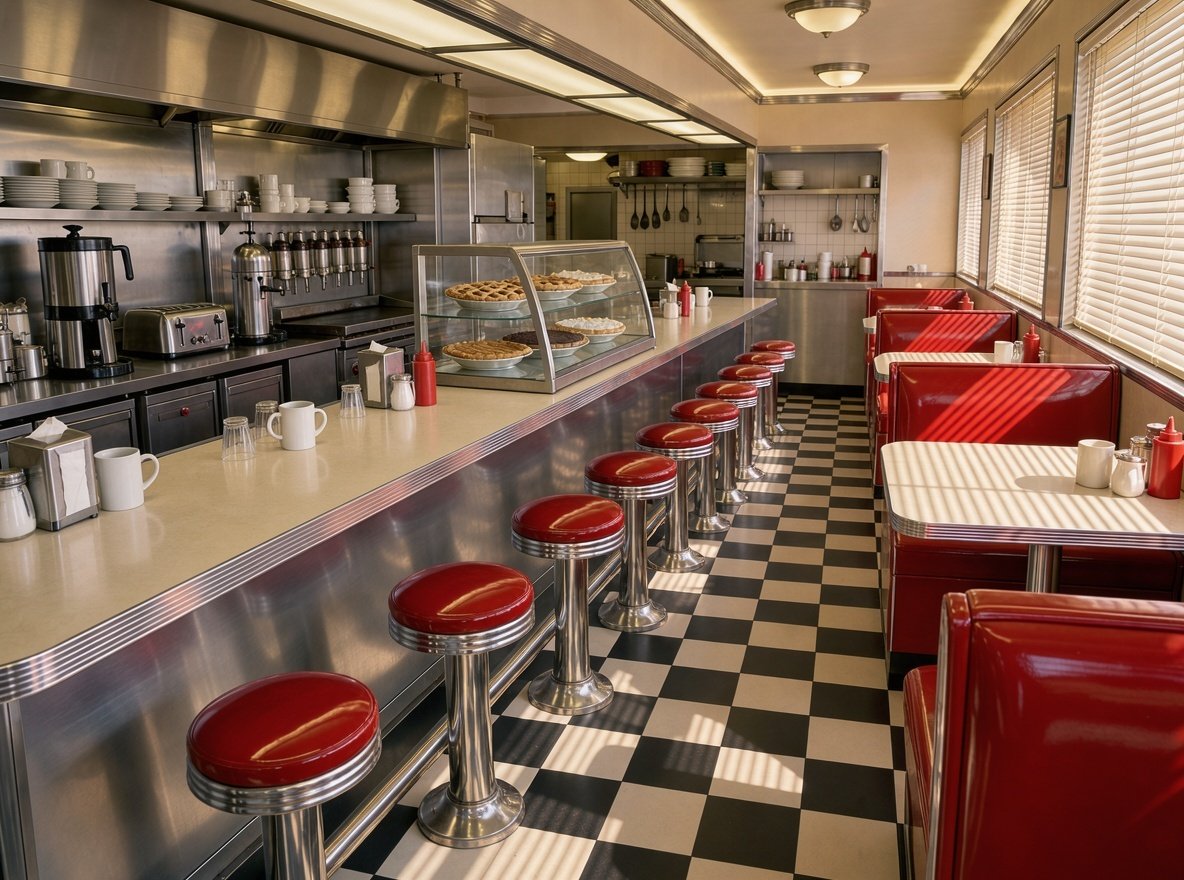
Interior of a classic New Jersey diner with a stainless counter, red vinyl stools and a glass pie case
Counter seating, bottomless coffee and no pressure to leave.

Where to find them: the densest concentration is along the older highway corridors — Route 1, Route 22, Route 46 and the shore towns' main streets. Cape May, Asbury Park, New Brunswick and Hackensack all have long-standing examples. Note that "diner" in a shore town often means a seasonal operation with a two-hour weekend wait.
02 · Garden State, literally

Tomatoes, farms and farm stands

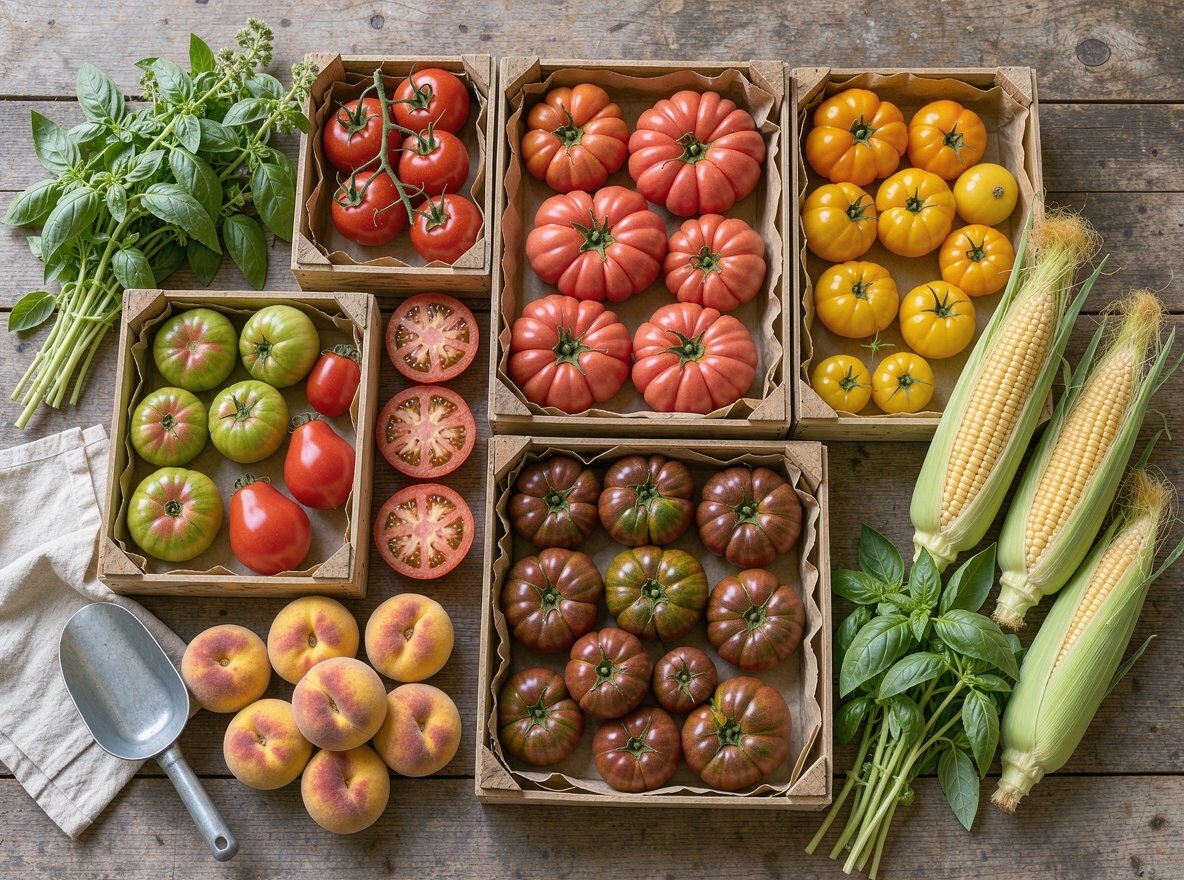
Ripe heirloom tomatoes in wooden crates with basil and peaches at a New Jersey farm market
Tomato season peaks in August and is the state's most-argued-about food topic.

The state's nickname is not a marketing invention. New Jersey still farms a substantial acreage, and the produce that made its reputation is the tomato — specifically the beefsteak varieties that ripen in the August heat and are eaten, mostly, in thick slices with salt.

When to go: late July through early September for tomatoes. June and July for berries and sweet corn. September and October for apples, squash and pumpkins in the highlands.

Where to go: roadside stands along Route 206, County Route 518 and the back roads of Hunterdon, Somerset and Warren counties. In the highlands, orchards run pick-your-own from mid-September.

What else to look for: sweet corn sold out of a pickup truck at the roadside, blueberries from the Pine Barrens, and cranberries from the bogs further south.

Farm stand etiquette

Many small stands are cash-only and honour-system. Bring small notes. If a stand has a cooler with produce and a price list but no attendant, you are expected to make correct change yourself.


03 · The coast

Shore seafood

The Jersey Shore's seafood is best taken seriously in two forms: the waterfront shack and the raw bar.

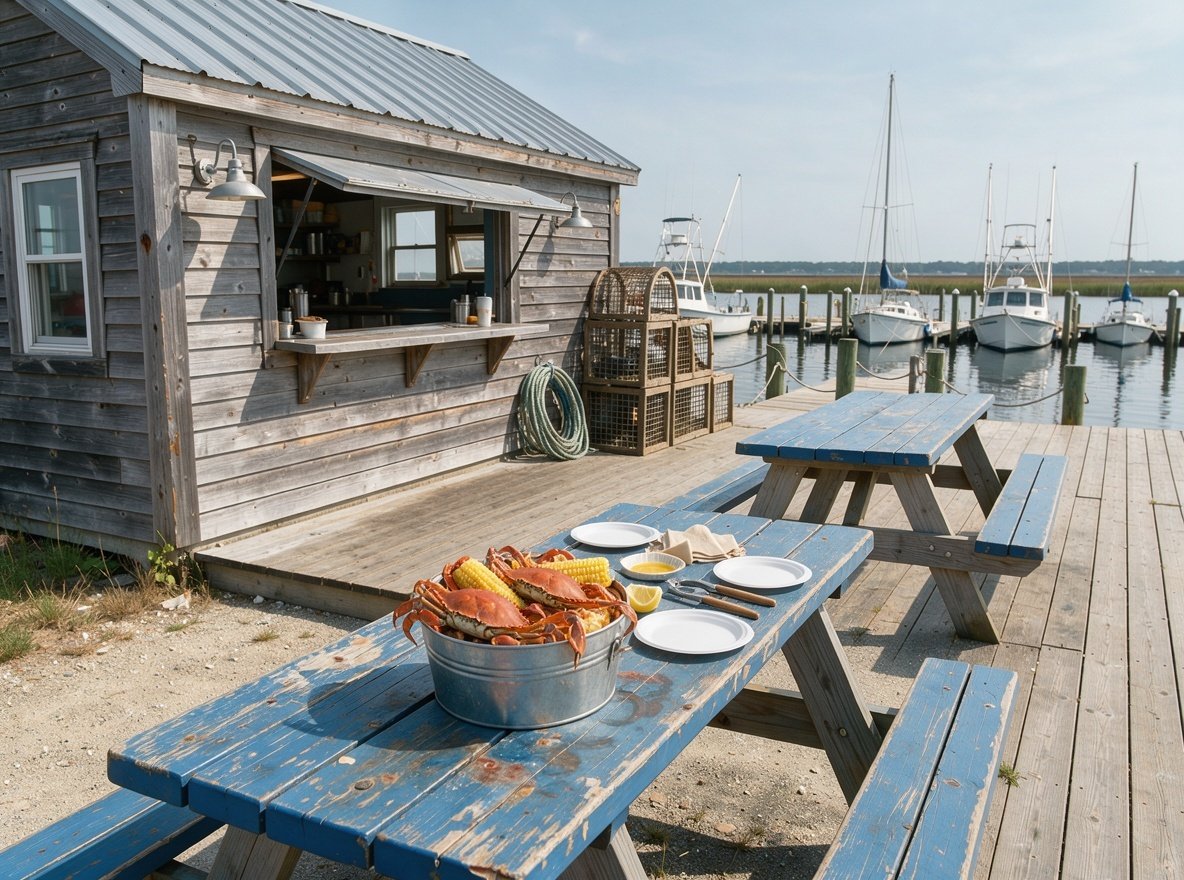
The shack: weather-beaten timber, picnic tables, paper plates and a menu of whatever came off the boat. Steamed crabs, clams, corn and a bucket are the standard order. These are usually a few blocks back from the boardwalk, which is why they are better and cheaper than what is on it.

The raw bar: summer flounder, bluefish, striped bass and scallops are the local catch. Blue claw crabs are the state's signature shellfish, and the season runs roughly April to November.

Practical notes: boardwalk food is convenience food — fine, not a destination. Shore restaurants in July have long waits from 6:30pm; eat at 5pm or 9pm, or book. Seafood prices spike in peak season.


04 · The cities

Urban food: Newark, Jersey City, Hoboken

New Jersey's cities have the state's most interesting food, and the reason is immigration: generations of arrivals brought their kitchens and their supply chains with them.

  • Ironbound, NewarkA Portuguese and Brazilian neighbourhood where the restaurants are inexpensive, generous and confidently traditional. This is where to eat before a flight out of Newark.
  • India Square, Jersey CityNewark Avenue's South Asian restaurant corridor — one of the strongest on the East Coast, with sweets shops and grocery stores alongside.
  • Washington Street, HobokenBakeries, pizza and a dense restaurant strip a block from the ferry terminal.
  • George Street, New BrunswickRutgers-driven variety at every price point, plus a restored 1920s theatre.
  • Cookman Avenue, Asbury ParkSmall plates, coffee and a genuinely good independent scene.
  • Nassau Street, PrincetonBookshops and bakeries with a restaurant scene that does not depend on the university calendar.

Cost expectations

Lunch in a college town runs $12–$20. Dinner in Hoboken or Jersey City is $25–$45 a head before drinks. Ironbound and India Square are notably cheaper: a full meal for under $20 is realistic.


05 · What to drink

Breweries, cider and wine

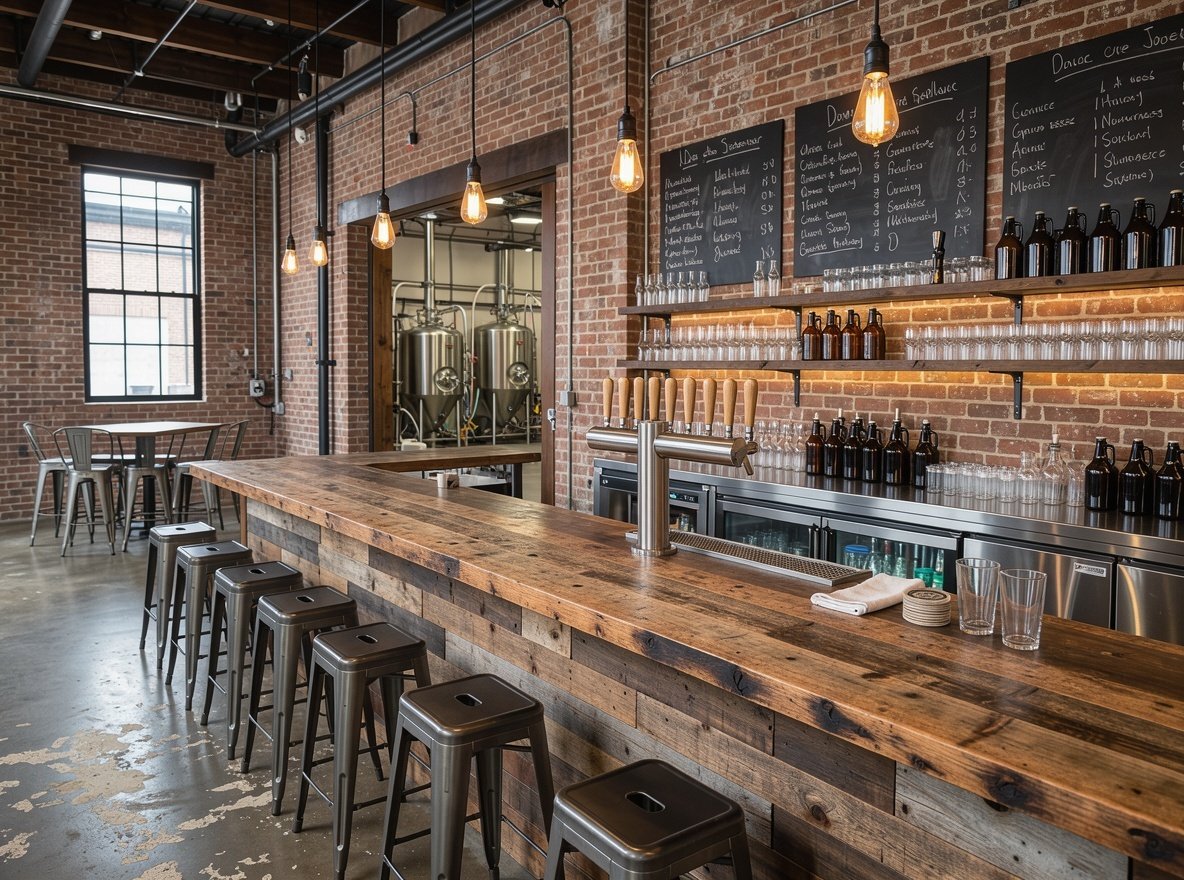
New Jersey's brewery count has grown enormously in the last decade, and the quality has followed. Most are taproom operations in converted warehouses and light-industrial units, usually with food trucks rather than kitchens.

Where to go: the densest clusters are around Asbury Park and the central coast, Trenton and the surrounding towns, and the Hackensack River corridor. Tastings are typically $8–$14 for a flight.

Cider: the highlands' orchards support a small but growing cider scene, particularly around the apple-growing areas of Sussex and Hunterdon counties.

Wine: vineyards on the Delaware Valley slopes around Milford, Pittstown and Ringoes run tasting rooms with valley views, $10–$18 a flight. Designated drivers are essential on those roads.

Note that several Shore towns — Ocean City most notably — are dry, with no alcohol sales at all. Check before you plan an evening around a bar.

New Jersey craft brewery taproom in a converted brick warehouse with a reclaimed wood bar and Edison bulbs
Converted warehouses and reclaimed timber: the standard New Jersey taproom look.

Practical food notes

Typical costs; shore prices rise sharply in July and August.
MealTypical costWhere
Diner breakfast$9–$16Highway corridors, town main streets
College-town lunch$12–$20Princeton, New Brunswick, Montclair
Shore seafood dinner$28–$55Coastal towns, off-boardwalk
Ironbound dinner$18–$30Newark
Brewery flight$8–$14Statewide
Farm stand tomatoes (per lb)$3–$6Late Jul – early Sept
What food is New Jersey known for?

Diners, tomatoes, pork roll (Taylor ham), shore seafood — particularly blue claw crabs and scallops — and, more recently, a large craft brewery scene. The state's Italian-American bakery culture is also strong, particularly in the northern cities.

What is the difference between pork roll and Taylor ham?

It is the same product. "Taylor ham" is the northern name, from the Taylor Provisions company; "pork roll" is used in the south and centre. Ordering one in the wrong half of the state is a reliable way to start a friendly argument.

When is tomato season?

Late July through early September, peaking in August. Farm stands along Route 206 and the Hunterdon and Somerset back roads are the places to buy them.

Are there dry towns at the Shore?

Yes — Ocean City is the largest, with no alcohol sales. Several other shore communities have restrictions. If a bar or brewery is part of your plan, check the specific town first.


Where to go next

Before you go

Practical details for the whole state

Transport, beach tags, costs, accessibility and cookies, all in one place.

Read the practical guide