New Jersey's highest ground, where the Appalachians roll through at up to 1,803 feet and the state's coastal reputation stops making sense.
The Skylands cover Sussex, Warren, Morris and Hunterdon counties — the glaciated highlands where the last ice sheet left behind long ridges, deep lakes and boulder fields. It is the least crowded part of the state and the one that rewards an early start most.
Driving here means two-lane roads that follow valley floors, farm stands on blind corners, and small towns with a single traffic light. Distances look short on a map and take longer than you expect.
The headline
Delaware Water Gap National Recreation Area
Where the Delaware River cuts through the Kittatinny Ridge, the National Park Service manages roughly 70,000 acres of ridge, river and ravine on both sides of the state line. On the New Jersey side you get the Mount Tammany climb, the ridge-top views from Mount Mohican, and miles of riverbank.
The classic hike: Mount Tammany's Red Dot and Blue Dot loop is about 3.5 miles with around 1,200 feet of climbing. It is short and genuinely steep — rock scrambles, exposed roots and a summit bare enough that the view opens the moment you arrive. Budget three hours and start before 8am on a weekend.
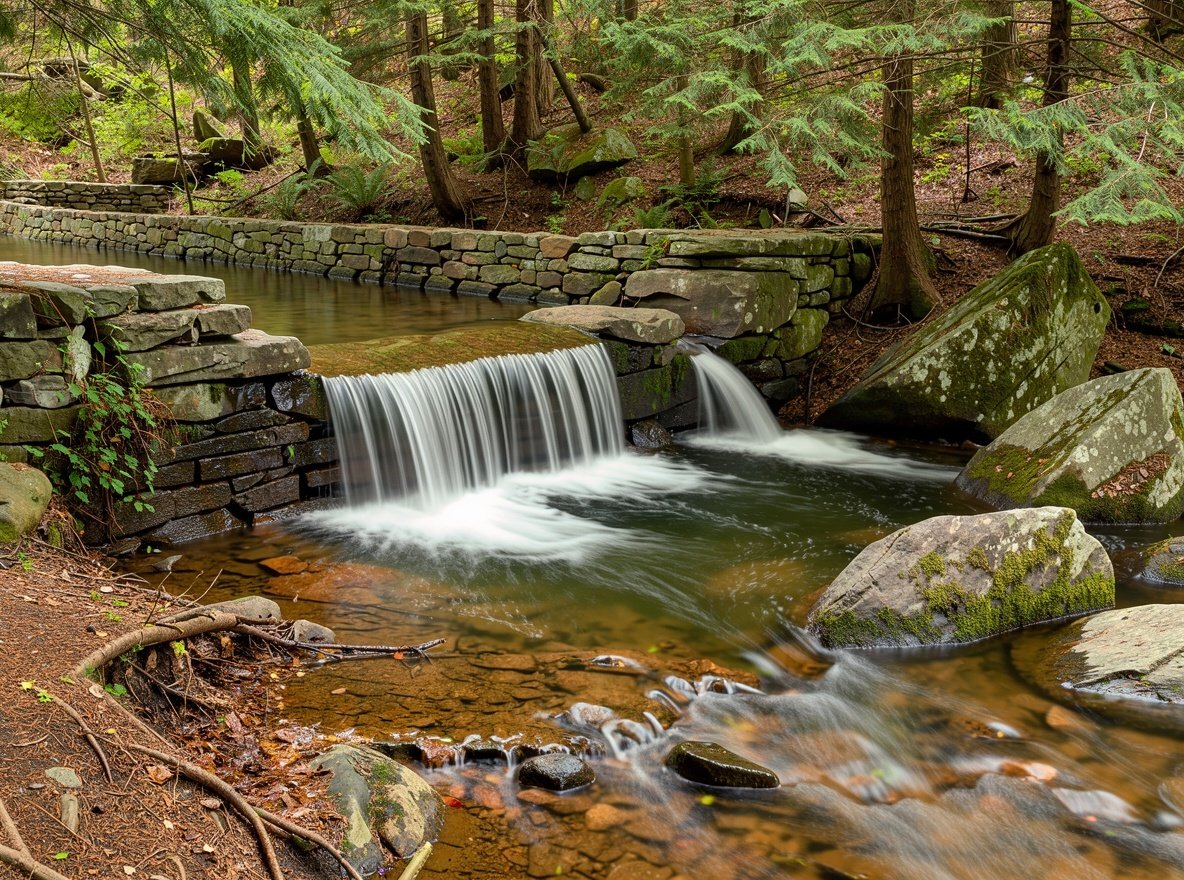
Waterfall walks are the region's quieter alternative to the Water Gap crowds.
Parking reality check
The Mount Tammany trailhead car park (off I-80 at the Dunnfield Creek area) fills by 8:30am on October weekends and is often full by 9am in summer. Once full, rangers close the entrance. Have a second plan: the Karamac trail loop or a canal towpath walk from the Kittatinny Point Visitor Center.
High Point State Park — the state's roof
High Point is the highest point in New Jersey, marked by a 220-foot obelisk war memorial with an observation deck. On a clear day you can see the Catskills to the north and the Poconos to the west. The surrounding park has a swimming lake, a network of gentler trails, and a stretch of the Appalachian Trail running through it.
This is the best place in the state for a first hike with children: the summit is reachable by a short walk from the car park, and the interpretive signs are good.
Lakes, gorges and waterfall walks
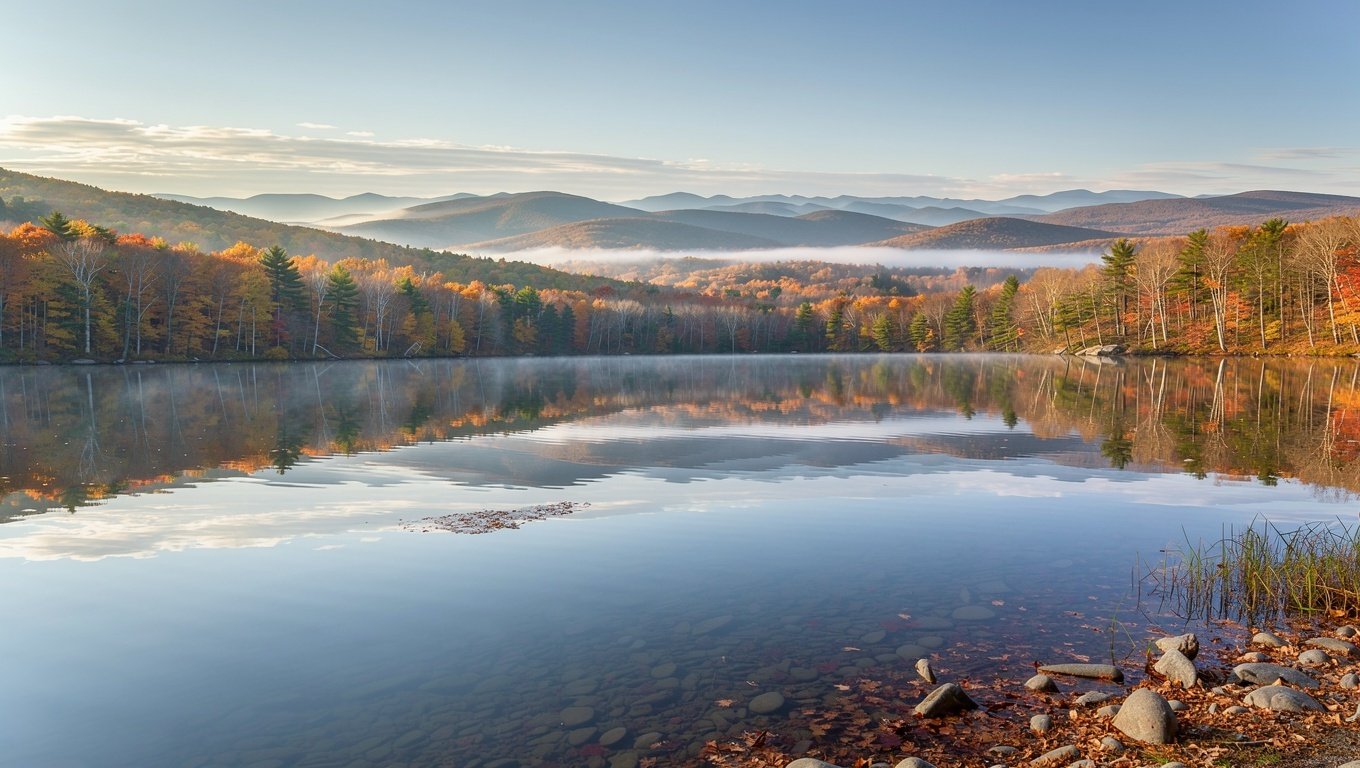
The region's glacial geology left dozens of lakes, and the state park system has built swimming beaches and boat launches around several of them — Hopatcong, Swartswood, Wawayanda and Round Valley among them. Round Valley's reservoir is ringed by a 12-mile trail with a swimming beach at one end.
For waterfalls, the Paterson Great Falls is the best-known urban example, but in the highlands look to the Van Campens Glen and Buttermilk Falls areas, where short shaded trails follow cascades through hemlock ravines. These are wet, cool walks — good on a hot day and spectacular after rain.
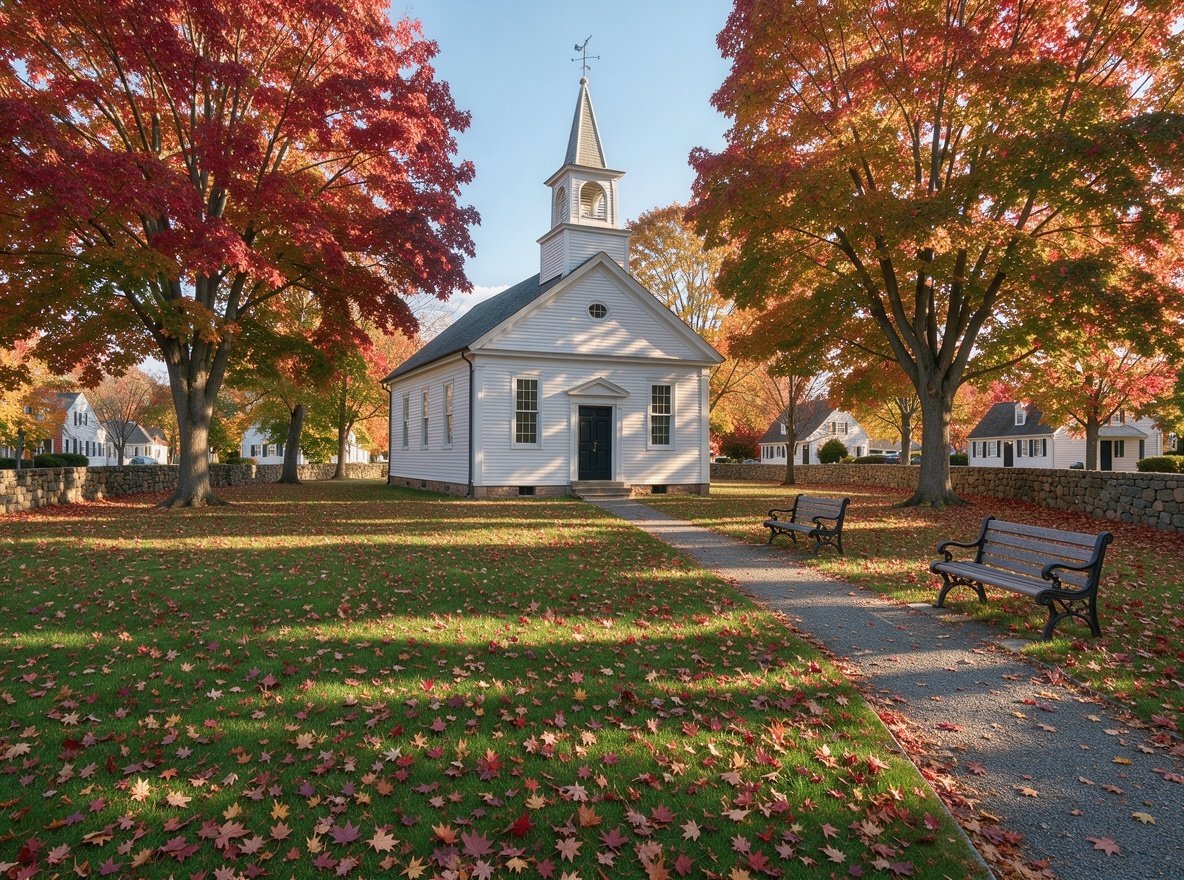
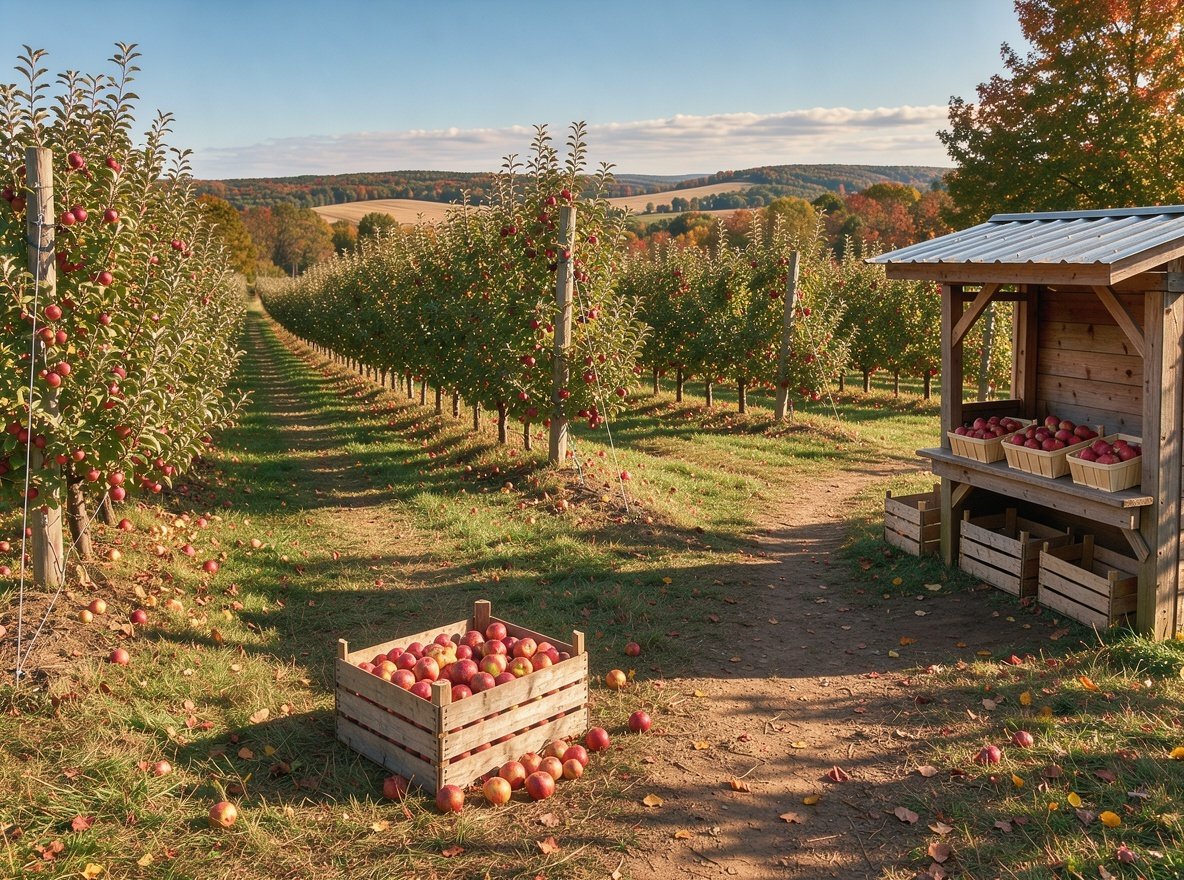
Village greens and steeples: the highlands have some of the state's oldest settlements.Pick-your-own season peaks from late September through October.
Orchards, farm stands and cider
The highlands are orchard country. Apples come into their own from mid-September, followed by pumpkins and squash through October. Many farms run pick-your-own, hayrides and corn mazes, and most have a farm stand selling cider doughnuts that are worth the drive on their own.
Practical advice: call ahead on autumn weekends. Some orchards close picking early in the day once the rows are stripped, and several now require timed reservations for pick-your-own.
Towns worth stopping in
ChesterStone buildings, a genuine main street, and good access to the Black River trails.
LambertvilleOn the river's edge, dense with antiques dealers and galleries. Best combined with the Delaware River region.
NewtonSussex County's county seat: a handsome green, a theatre, and a working farmland economy around it.
MorristownLarger and busier, but home to a major Revolutionary War historical park — see the Central Jersey page for the history angle.
Milford and FrenchtownSmall river towns with cafes and river access; Frenchtown is genuinely lovely in autumn.
Skylands practicalities
Timing the foliage
Colour typically peaks in the highlands between 10 and 22 October, roughly a week before the coast. Above 1,200 feet you can see good colour from the last days of September. Check a state foliage report rather than guessing — the window shifts by up to ten days year to year.
Driving and signal
Route 206, 94 and 519 are scenic and slow. Cell coverage drops out in the valleys around Stokes and Worthington state forests, so download offline maps before you leave. Fuel up before heading into the northwest corner; stations are sparse.
What to pack
Sturdy footwear for rocky trails, a warm layer even in early autumn, insect repellent through September, and cash for farm stands and small-town parking meters.
Is the Delaware Water Gap worth a full day?
Yes, if you hike. The Mount Tammany loop plus a stop at the Kittatinny Point Visitor Center and a canal walk fills a day comfortably. If you only want to look at the gap from a viewpoint, two hours is enough.
Can I swim in the lakes?
Several state park lakes have lifeguarded swimming beaches in summer, usually late June to Labor Day. Check the specific park before you go; some lakes are boat-only and others close swimming seasonally for water quality.
Is the Skylands good in winter?
It is the state's only reliable place for snow. Cross-country skiing and snowshoeing are possible in the state forests, though trails are ungroomed. Many small businesses close or shorten hours from January to March.