Gateway & Hudson County: the best view of Manhattan is from here
Six miles of New Jersey waterfront facing the skyline, plus Newark's museums and Edison's laboratories — all reachable without a car.
Gateway is the densest, most transit-connected part of New Jersey, and the only region where arriving by car is a disadvantage. The waterfront towns — Jersey City, Hoboken, Weehawken — sit on a glacial bluff across from Manhattan, connected by the PATH train, NJ Transit and a network of ferries.
It is also where a lot of visitors accidentally spend their whole trip: the views are so good from this side that people forget there is a state behind them.
Liberty State Park and the Statue of Liberty
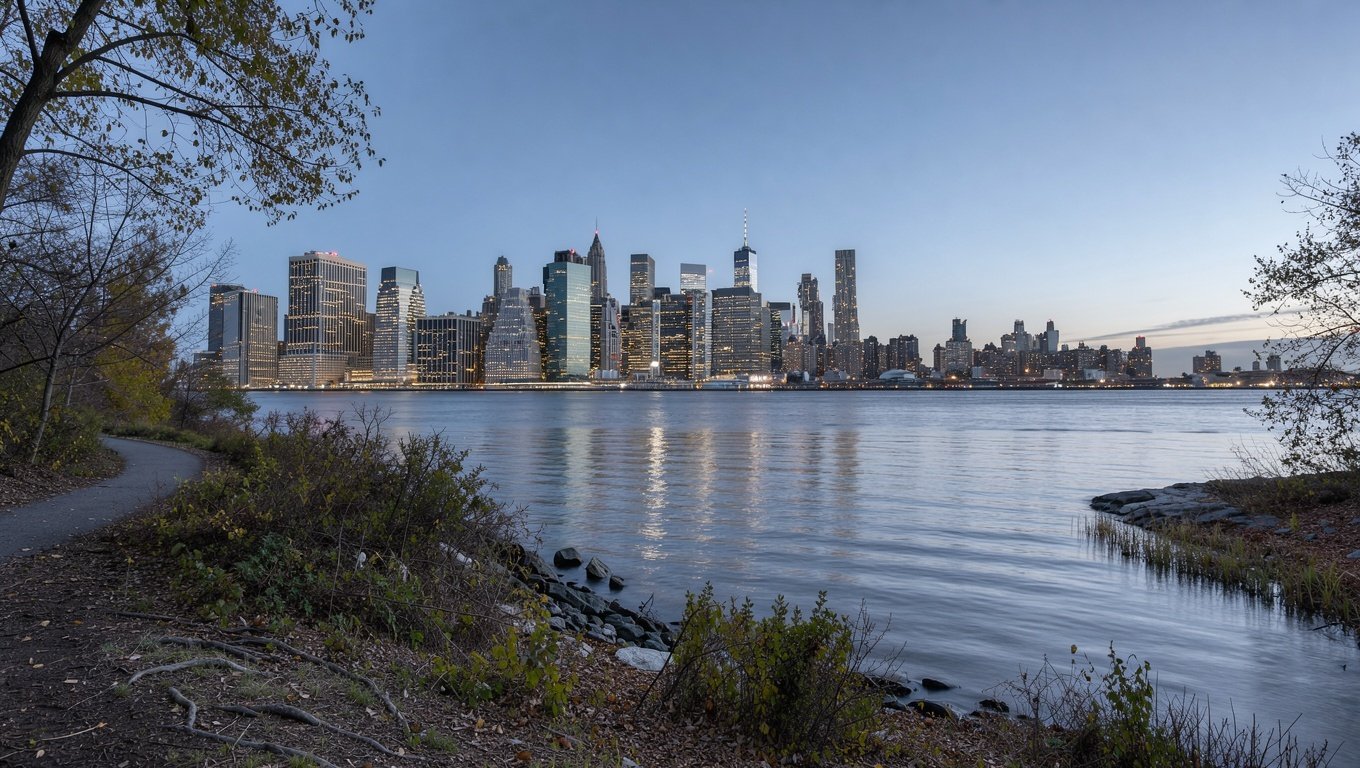
A 1,200-acre park on the Jersey City waterfront, built on filled land that once held rail yards. It is the departure point for the National Park Service ferry to the Statue of Liberty and Ellis Island — and, importantly for photographers, it is also the best place to look at them for free.
The Empty Sky memorial, the long waterfront promenade, and the restored Central Railroad of New Jersey Terminal are all within walking distance of the park entrance. On a clear day the view takes in the full Lower Manhattan skyline, Ellis Island and the statue in one frame.
Practical tip
Statue of Liberty ferry tickets sell out days ahead in summer and are booked through the National Park Service's authorised operator. If you only want the view, skip the ferry entirely: the promenade here gives you the statue, Ellis Island and the skyline in a single panorama, for the price of parking.
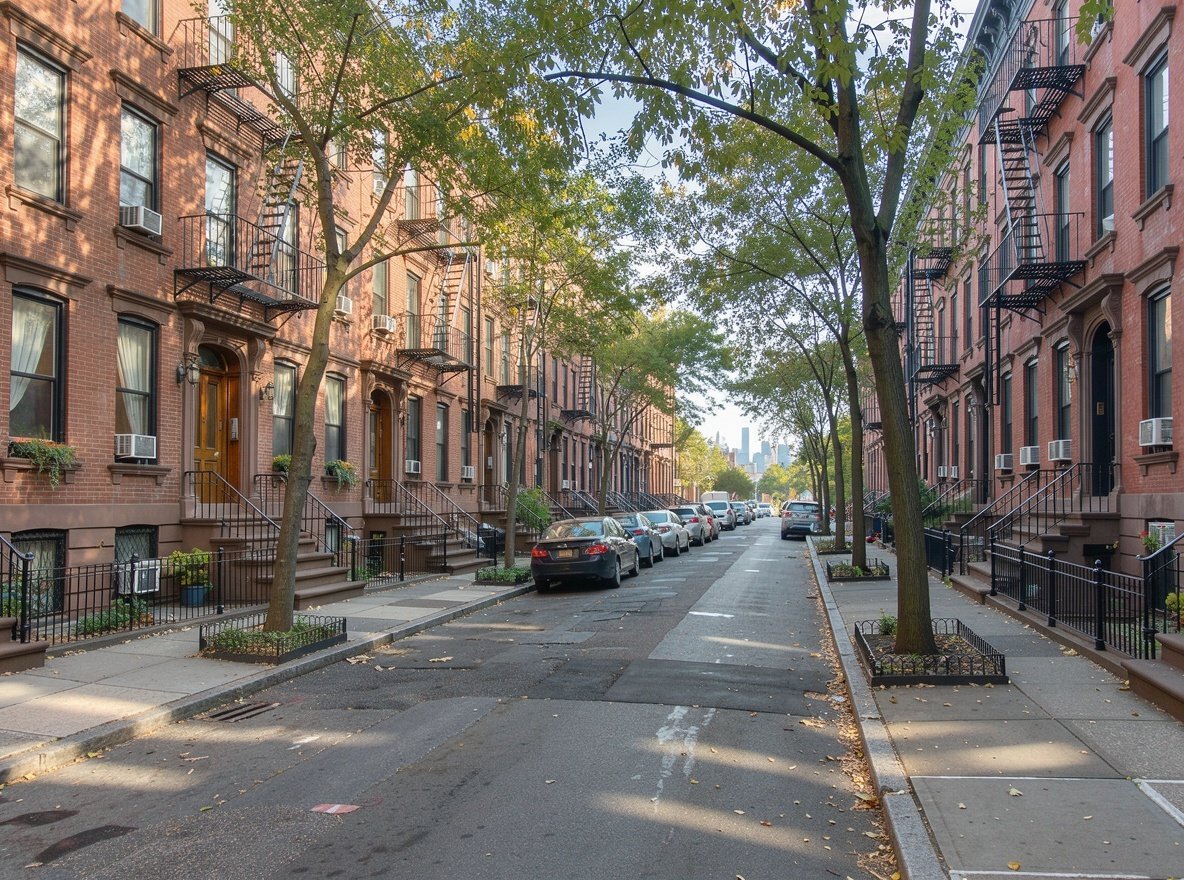
Hoboken's grid of brownstones is one of the most walkable streetscapes in the state.
Hoboken
One square mile, a grid of 19th-century brownstones, and the birthplace of baseball's first recorded game (1846, at Elysian Fields). Hoboken is also where Frank Sinatra was born and where the city's ferry terminal still drops commuters a block from Washington Street.
What to do: walk Washington Street for food and independent shops, take Pier A Park for the skyline, and follow the waterfront walkway north to Weehawken for the bluff-top view from Hamilton Park. The Hoboken Historical Museum is small, cheap and explains why the town looks the way it does.
Getting there: PATH from 33rd Street or World Trade Center, or NY Waterway ferry to the 14th Street terminal. Do not drive.
Jersey City
Jersey City is the state's second-largest city and has the most interesting split personality in New Jersey: a glass-tower waterfront on one side of the Palisades and blocks of 19th-century brownstones in Historic Downtown and Van Vorst Park on the other.
The Liberty Science Center in Liberty State Park is the best rainy-day option in the region for families. Loew's Jersey Theatre, a restored 1929 movie palace, runs classic film screenings. The Colgate Clock on the waterfront is a local landmark, and the Katyn memorial and 9/11 Memorial are both on the promenade.
For food, the India Square stretch of Newark Avenue is one of the best South Asian restaurant corridors on the East Coast.
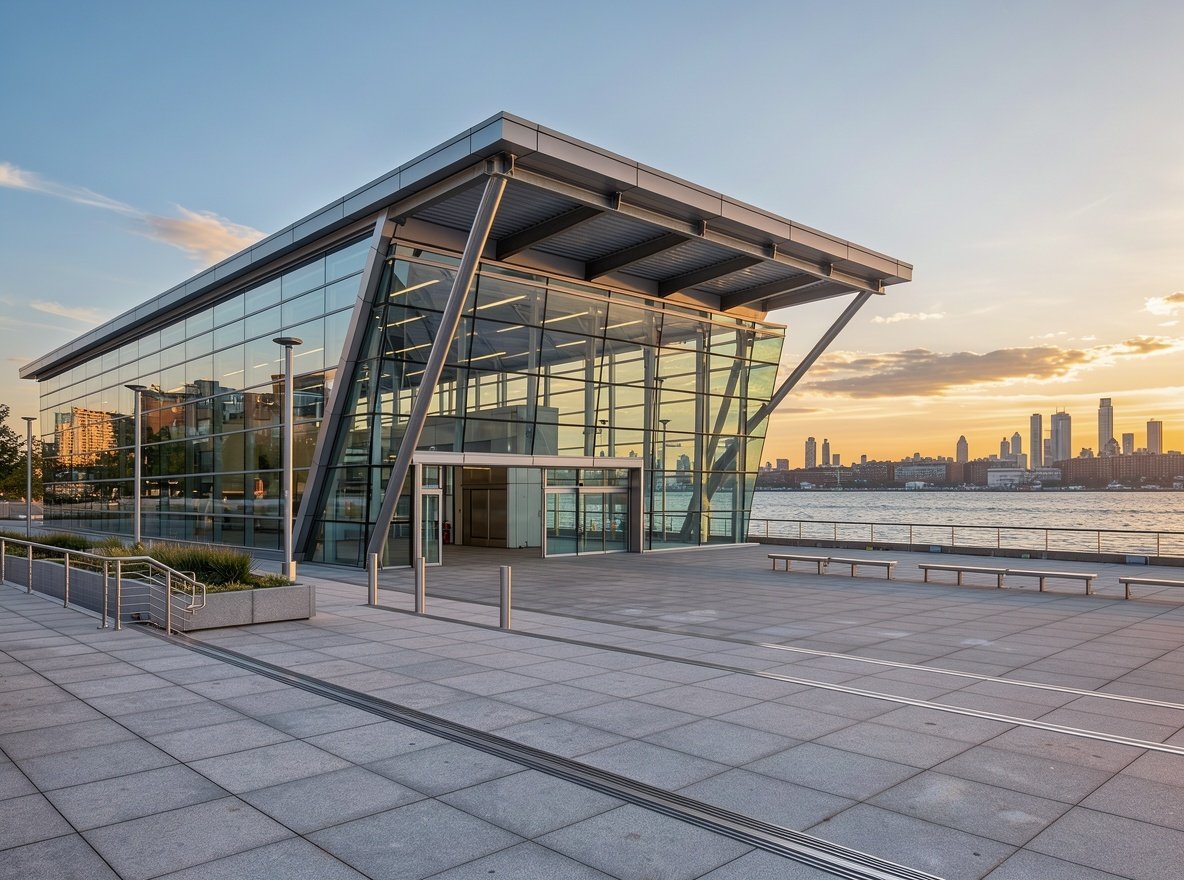
Ferry terminals along the waterfront make a car-free day genuinely practical.Edison's West Orange complex is a National Historical Park with the original machine shops intact.
Newark
Newark is a major transportation hub — Newark Liberty International Airport and Newark Penn Station both sit here — and a genuine destination in its own right if you know where to look.
The Newark Museum of Art — a strong collection spanning American, Asian, African and classical art, plus a Tibetan altar and a planetarium. Very good value.
Branch Brook Park — a Frederick Law Olmsted-designed park with the largest collection of Japanese cherry trees in the United States. Peak bloom is early to mid-April, and the festival draws crowds.
Ironbound — a Portuguese and Brazilian neighbourhood with excellent, inexpensive restaurants. This is where to eat before a flight.
Newark Penn Station — an art-deco landmark from 1935 worth ten minutes of anyone's time.
Thomas Edison National Historical Park, West Orange
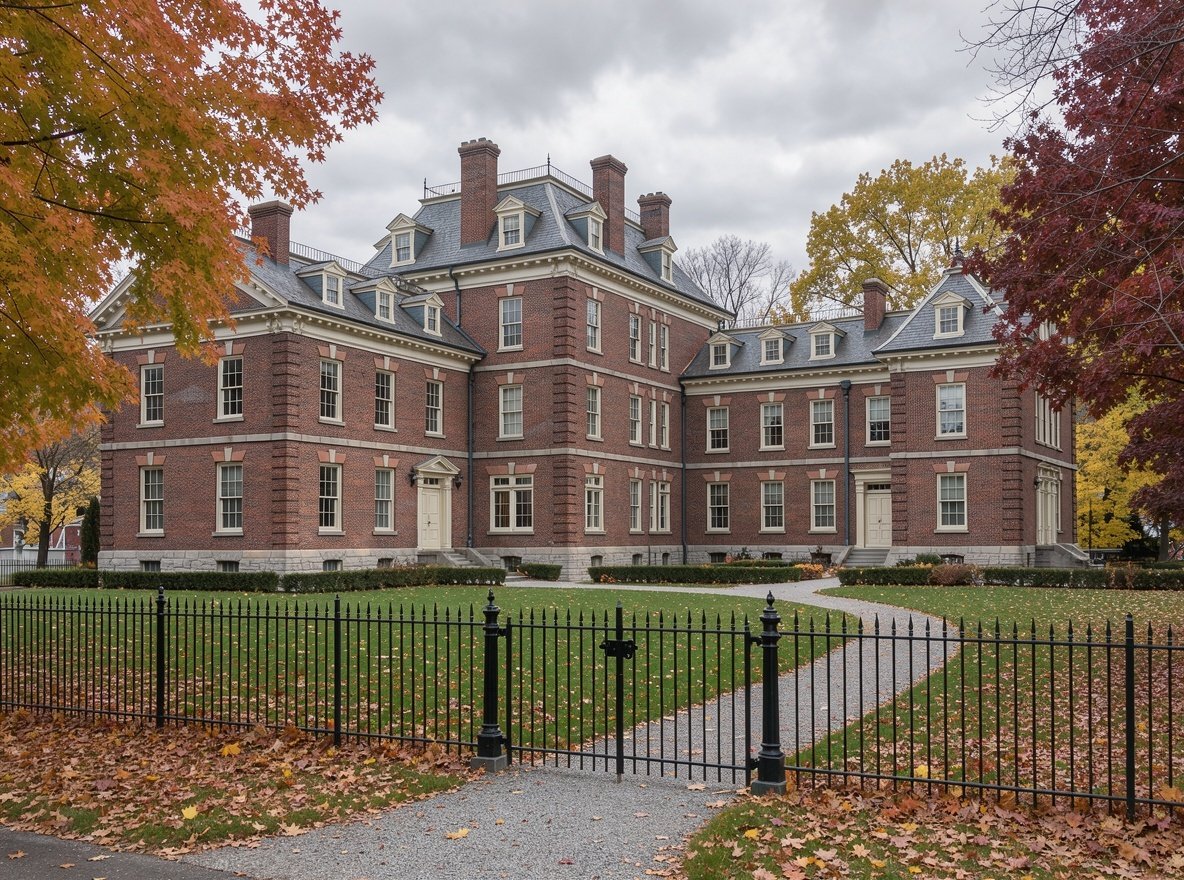
Edison's laboratory complex is the reason this region belongs on a travel itinerary rather than just a business page: it is where the phonograph, the motion picture camera and the alkaline storage battery were developed. The three-story main laboratory building, with its machine shops and libraries, is preserved essentially as it was in 1931.
Allow two to three hours. The site is a short drive or taxi from West Orange's centre, and weekday visits are noticeably quieter than weekends.
Getting around Gateway
Fares are approximate and change; check current pricing before travel.
Mode
Route
Fare
Frequency
PATH
33rd St / WTC → Hoboken, Jersey City
$2.75
5–10 min peak
NY Waterway ferry
Midtown → Hoboken, Jersey City
$9–10
15–30 min
NJ Transit rail
Penn Station NY → Newark Penn
$5.25
10–20 min
Hudson-Bergen Light Rail
Bayonne ↔ North Bergen
$2.75
10–15 min
Parking, if you insist
Garages in Hoboken and Jersey City run $25–$40 for a full day. Street parking is resident-permit dominated and enforcement is aggressive. If you are driving in for the day, park at a NJ Transit lot outside the city and take the train in.
Is Liberty State Park free?
Entry to the park is free; parking charges apply (roughly $7–$10 per car in season). The ferry to the Statue of Liberty and Ellis Island is a separate, ticketed National Park Service service.
Can I see the Statue of Liberty without the ferry?
Yes. The Liberty State Park promenade gives a clear view of the statue and Ellis Island across the water, and it is one of the most photographed spots in the state.
Is this region good in winter?
It is arguably the best region in the state for winter: indoor museums, restaurants, and skyline views that work in cold, clear air. Just dress for wind off the water.